








The Rise of Tactile Design in Hospitality Spaces
Explore the growing trend of tactile design in hospitality. See how textures, materials, and lighting come together to create emotionally engaging environments that enhance guest experiences.
31 January, 2025


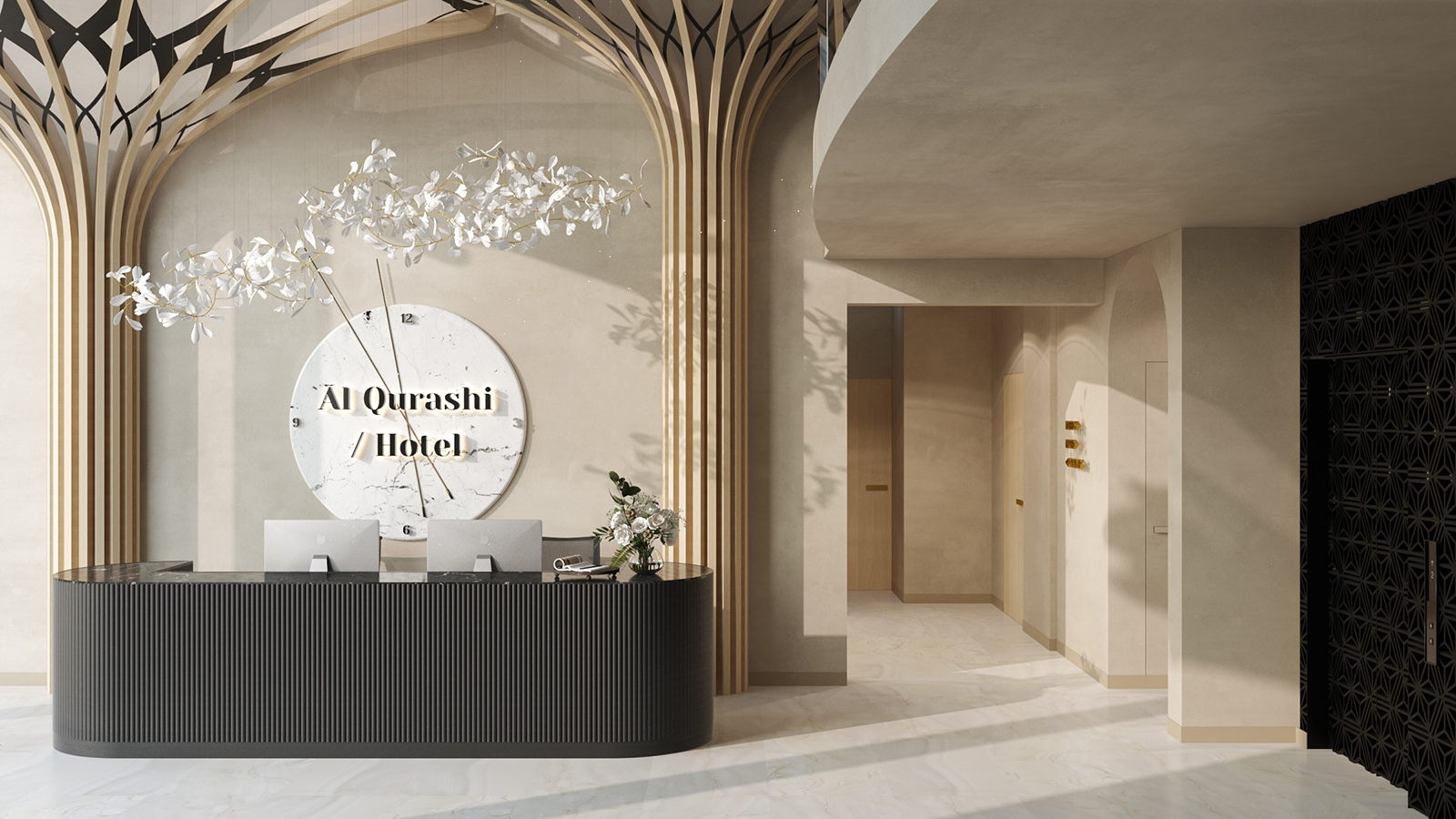
Tactile design is a growing trend and focuses on creating spaces that mean something more than simply being a location. Incorporating texture-rich materials, thoughtfully planning spaces and adding design touches that both function well, and look beautiful is becoming the predominantly used tool when creating a new space.
But what does this mean for the spaces we all share?
Turning to tactile hospitality designs will allow us to illuminate tactile design, its impact on the restaurant spaces we all use, and its potential impact on our customers and guests.
Touch Matters: What is Tactile Design?
So we know tactile design looks to make us feel an emotion when we enter a space, but how does that work in the real world?
It’s a design approach that prioritizes a sense of touch, seeking to engage visitors on a multisensory level and is one of the strongest new trends in the hospitality industry.
Locations like hotel lobbies, restaurants and waiting rooms are all designed to be used by a huge range of visitors and have, over the years, developed a sort of formulaic structure which has ended up meaning that we can always tell what kind of space we are in.
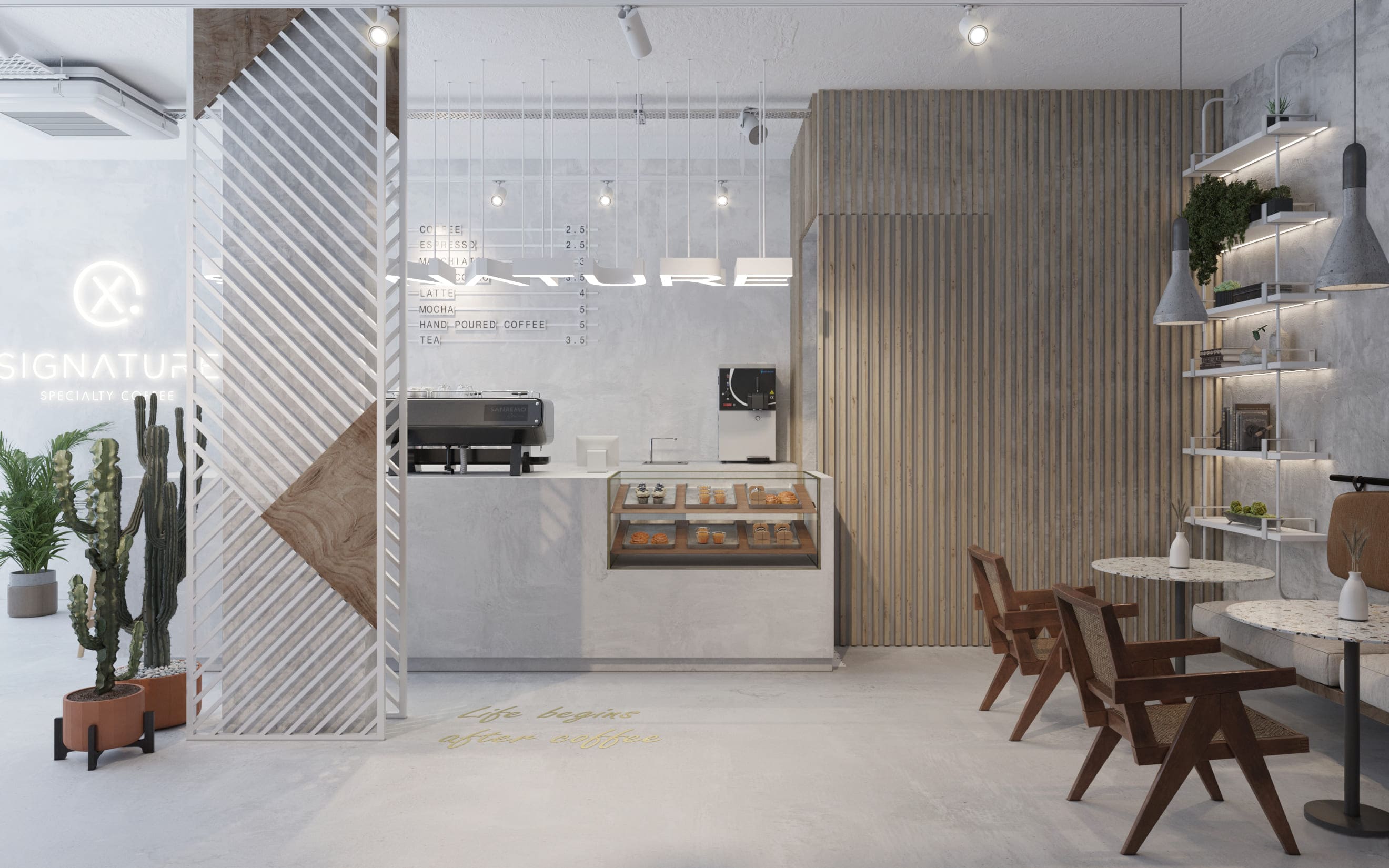
Tactile design looks to shake this formulaic approach to design up by offering our senses more things to focus on and interact with. A wide variety of textures, an array of materials and a mix of patterns all work together to target the part of our brains that create feelings and emotions based on what we see.
Designers are looking to create spaces that feel as good as they look; they want to make you feel comfortable, cosy and welcomed within a memorable and desirable space. They are looking to force visitors to interact with a space in a physical, tangible way.
The key to tactile design lies in the relationship between people and textures; enhancing the feel of a space by using physical elements to elicit emotional responses.
Material Matters: Textures that Speak
As we already know, tactile design is a concept built upon the materials included within a space, but there is a little more to it than simply loading up your building with as many different materials and textures as you can; as with everything in this life, there has to be balance.
Starting with an intention is a great way to get off the ground; do you want your space to feel luxurious and comfortable? Do you want a warm and welcoming setting that puts people at ease? Or do you want a modern, sleek and professional vibe from your space?
Different materials tell their own stories, evoke specific emotions and set their own overall vibe, so the use of materials will dramatically influence how a guest or customer perceives your space.
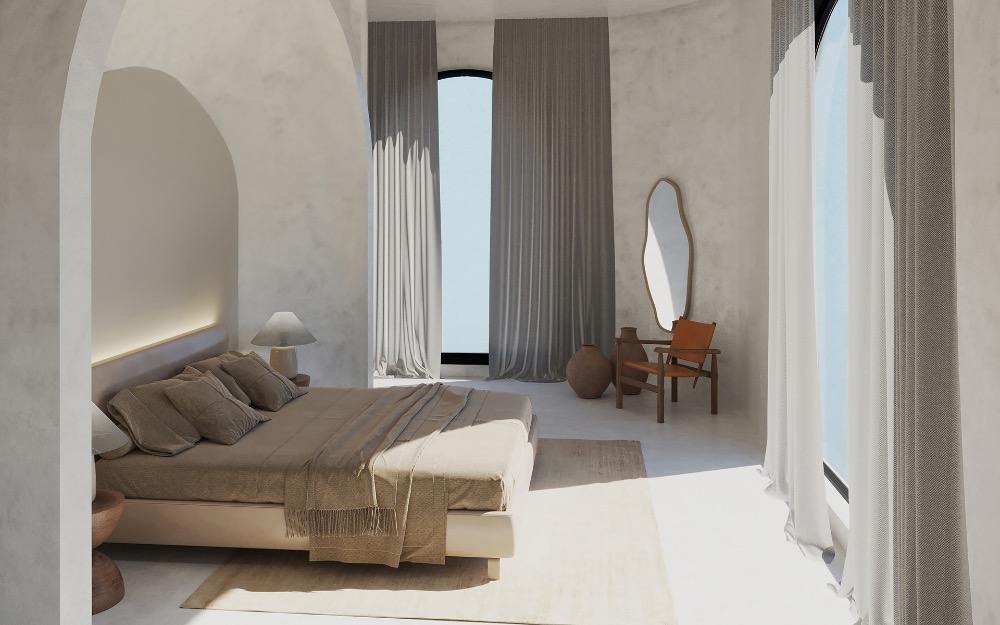
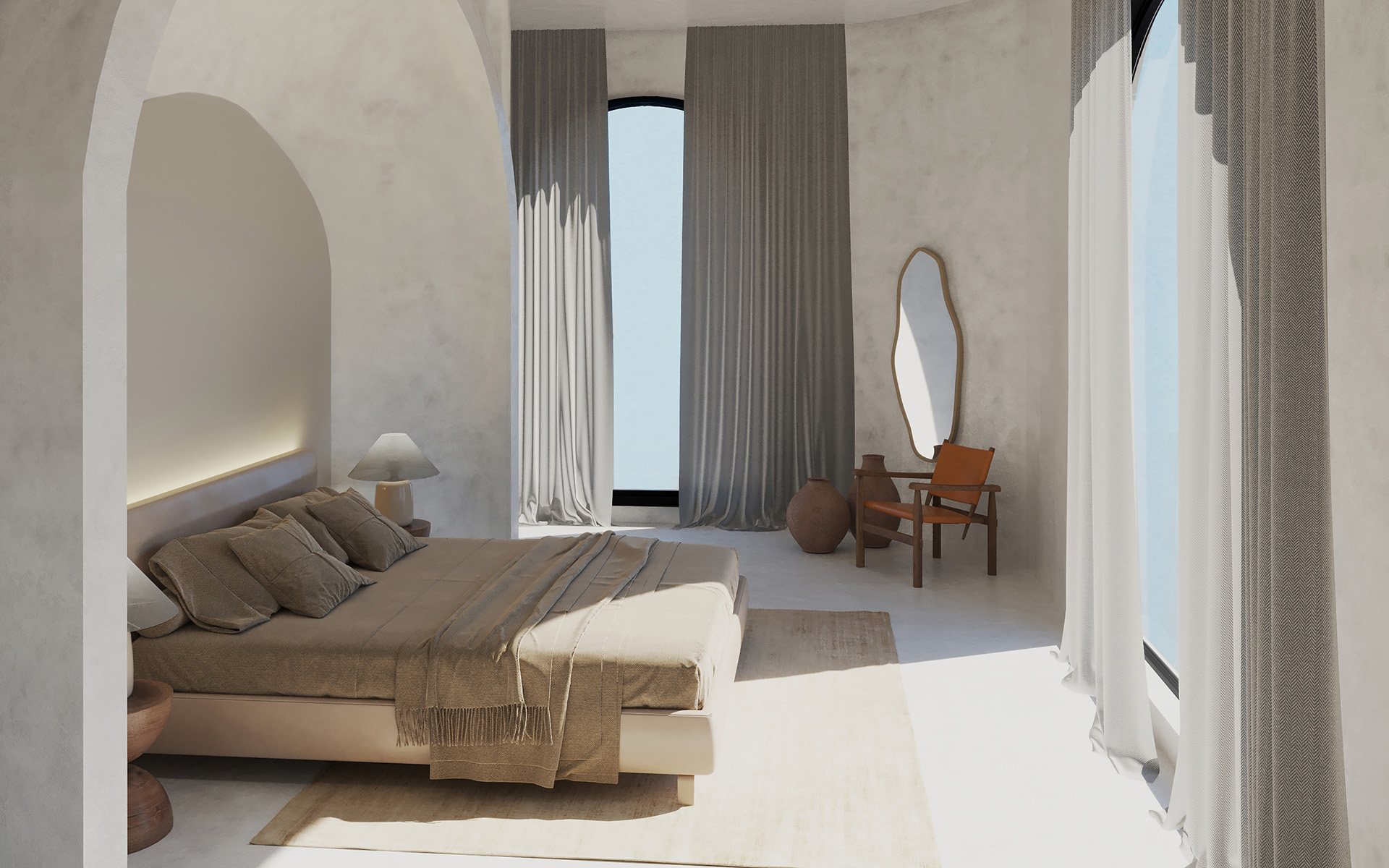
Soft materials like velvet, wool or linen are often used to build a sense of comfort and luxury; they speak to our innate desire to reach out and touch soft, alluring things. Using these materials in a hotel lobby or restaurant can be a great way to encourage calm and reassurance.
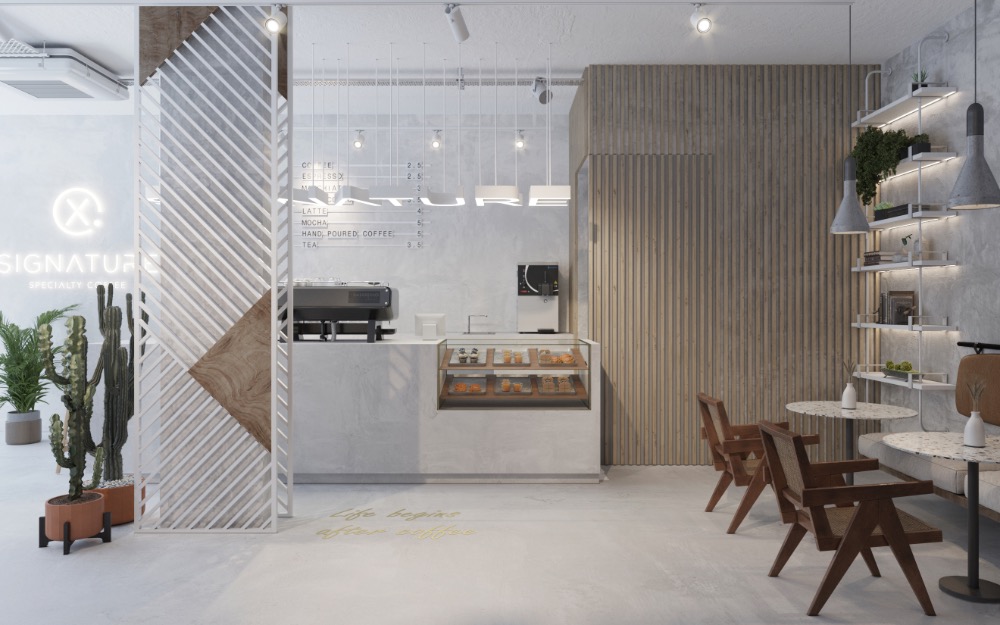
On the other end of the spectrum are hard, structured materials like wood, stone and metal; all of which offer a more grounded, tactile experience. They signify strength and permanence, but exposed wood and rusted metals can also evoke the natural world, bringing a different kind of calm, whilst rough hewn, sharp metallic finishes and soft inviting textiles can all work together to bring a space to life.
The combination of these two ends of the spectrum can create a rich, multi-layered environment that engages people and interacts with its visitors on many levels.
The Role of Light in Tactile Spaces
As you can probably imagine, light plays a huge part in the way we feel day-to-day and as such, is an especially important part of tactile design.
We’ve all sat in dark, cramped restaurants that feel stuffy and slightly claustrophobic, and we’ve probably all sat in an incredibly well-lit lobby that feels almost like a surgery; neither one is a very welcoming space, and it’s all down to how their lighting is managed.
The way light interacts with the surfaces upon which it falls, coupled with the way it casts shadows and creates ‘columns’ and beams does wonders for the textures that tactile design implements within spaces.
You can highlight or diminish the qualities of a material, you can bring warmth to otherwise cold materials like stone and you can create spaces that appear separate and private with a few well-placed shadows.
Blocking harsh sunlight will not only maintain a comfortable temperature, but it will ease the intensity of your space; alternatively completely removing sunlight can have some negative effects, so be sure to get the balance right.
Managing the light within your space requires some forethought and can be a tricky thing to get right, but once your space has the correct lighting the tactile design you’ve implemented will be elevated beyond what you previously expected.
Blinds as Design Elements: More Than Just Light Control
As we now know, the textures that fill our spaces are the key to interacting with our guests; be it customers in a restaurant, guests in hotels or colleagues in a workspace, the space around us has a profound effect on the way we feel and act.
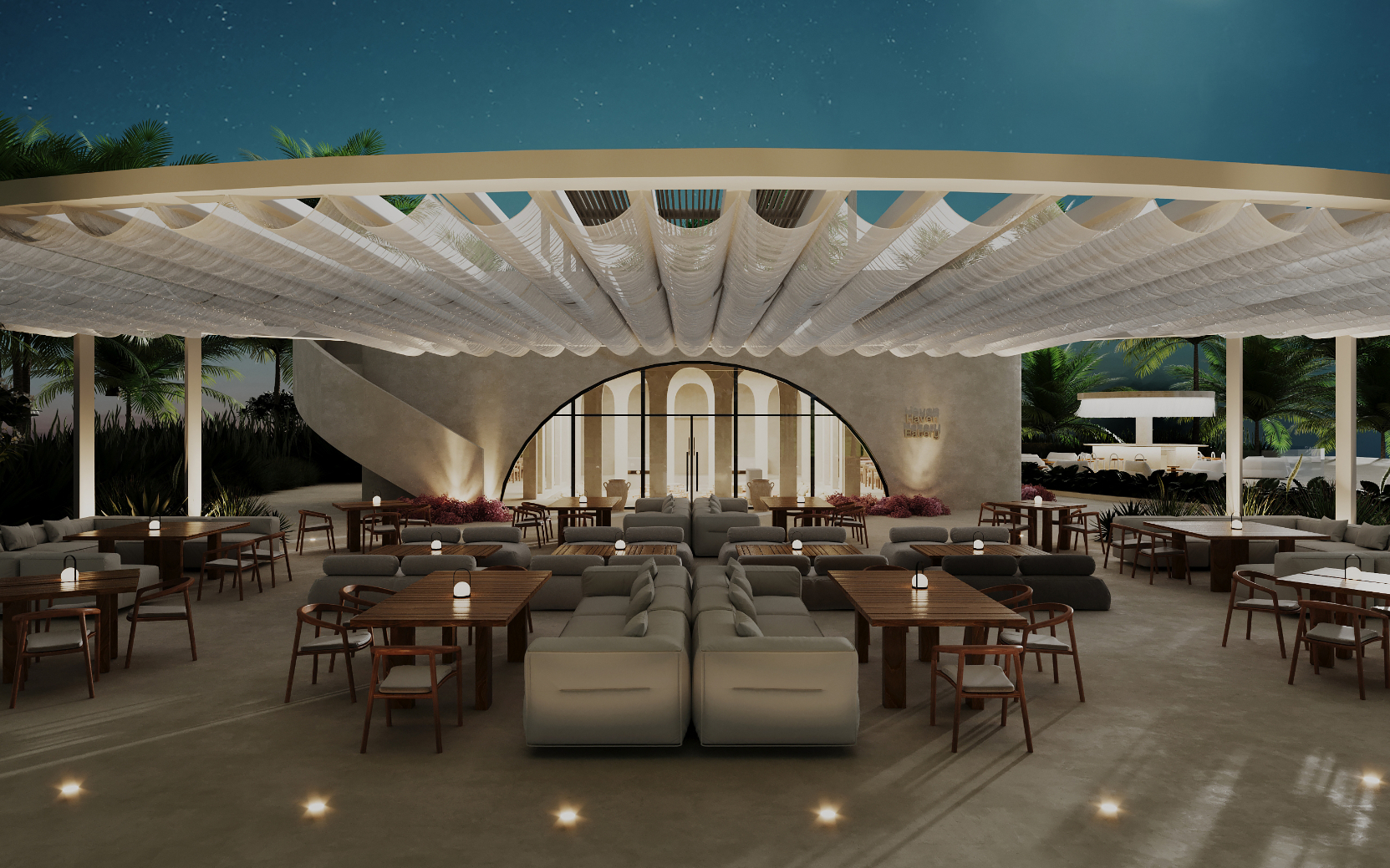
The way light interacts with the materials a space contains is just as important as the materials themselves. Luxury hotels and restaurants around the world can benefit massively from the proper control of light within their spaces, and it comes down to more than simply plugging in a lamp and adjusting the blinds.
In the modern world things like commercial blinds no longer have to simply be blinds; they can perform their function of controlling light, but they can also be a feature within a space. Elegant wooden blinds have been around for a while, but now we have a wide range of textures, fabrics, patterns, and finishes available to us, allowing the blinds in your space to be a part of the overall vibe you’ve created.
Moreover, the dynamic and interactive nature of items like blinds can help bind a person to a space through a physical action. Adjusting the light being allowed into a room allows a person to ‘customize’ the space they are occupying and connect with it in a completely different way.
Having visually striking blinds that are functional and beautiful is an exciting part of the tactile design movement; they can boost visual interest, create fascinating light textures and can heavily impact your space when utilised to their fullest.

You're reading the BUILD newsletter.

Get the inside scoop from Yaiza Martinez on all things hospitality and design.
The Future of Hospitality Spaces
With the constant evolution we see in the design industry, tactile design is making a big enough impact to allow it to remain at the forefront of the field for some time to come. Its ability to bridge the gap between aesthetics and experience gives it much more meaning than a simple style choice; it’s a new way to design spaces around emotion and human interaction.
With the integration of mixed textures and materials that appeal not only visually, but physically, designers can create spaces that resonate with people on a much higher level than was previously thought possible. From hotel lobby design ideas, to restaurant interiors, tactile design has a wide reach and the type of hospitality industry design we will see in the future will forever be influenced by this phenomenon.
Tactile design is here to stay, and we should all be thankful; it’s the ultimate link between our psyche, our emotion and the way we physically interact with a space. We can be calmed, moved, comforted and rested, all thanks to the principles of tactile design.
Share this Article


YAIZA MARTINEZ
Yaiza, founder of Tanic Design, is passionate about transforming hospitality spaces into immersive experiences that captivate guests and drive revenue growth. With a keen eye for detail and a deep understanding of brand strategy, she crafts bespoke designs that resonate with each hotel’s unique identity. She believes that every space should tell a story, making it memorable and inviting for guests. Her innovative approach not only enhances guest satisfaction but also boosts operational efficiency, ensuring long-term success for hospitality businesses. With years of expertise in hospitality consulting and design, she’s dedicated to helping hotels stand out in a competitive market, creating environments that guests love and return to time and time again.
Our Clients don’t just see results, they see record-breaking success.
Recent Content
ARTICLE
How to Make Interiors Your Best Marketing Tool
Learn how to turn your interior design into a powerful marketing tool that reflects your brand, enhances customer experience, and boosts organic social media engagement.

ARTICLE
Hotel Competitive Analysis: How to Stay Ahead in a Crowded Market
Your competitors are making moves. Are you keeping up? Learn how to spot opportunities, refine your strategy, and give guests a reason to choose you.

ARTICLE
The Rise of Tactile Design in Hospitality Spaces
Tactile design in hospitality creates immersive spaces by blending textures, materials, and lighting to enhance emotional connections and guest experiences.
Now that we’ve spent some time together. Lemme ask....
you are?
There’s never been a better time to unlock the full potential of your business. Whether you’re a hotel, restaurant, or coffee shop business, our plans are designed to cater to all your needs.

HOTEL
Blast through revenue ceilings and soar to new heights!
Want your hotel to be more than just a place to crash?
 DO IT
RESTAURANT
Swipe all my competitor's customers and dominate the market!
Ever imagined your restaurant as more than just a place to eat?
DO ITCOFFEE SHOP
Supercharge my brand and make it a smashing success!
Looking to brew up a storm with a standout coffee shop?
DO ITHOTEL
Blast through revenue ceilings and soar to new heights!
Want your hotel to be more than just a place to crash?
DO ITRESTAURANT
Swipe all my competitor's customers and dominate the market!
Ever imagined your restaurant as more than just a place to eat?
DO ITCOFFEE SHOP
Supercharge my brand and make it a smashing success!
Looking to brew up a storm with a standout coffee shop?
DO ITJoin 2k+ Founders & Makers
 Get our bi-weekly emails with insightful content on how to boost your hospitality business growth.
Join 2k+ Founders & Makers
 Get our bi-weekly emails with insightful content on how to boost your hospitality business growth.
See if TANIC DESIGN is right for you. (IT totally is.)
But hey, don’t just take our word for it-let’s find out together if Tanic Design is the missing piece to your business puzzle.
Hit the ButtonHold up, don’t go just yet!
Seems you need some more time to weight the options, and that’s totally cool. Why not we hand out together?


Copyright © 2024 All rights reserved.