









Hotel Competitive Analysis: How to Stay Ahead in a Crowded Market
Your competitors are making moves. Are you keeping up? Learn how to spot opportunities, refine your strategy, and give guests a reason to choose you.
13 February, 2025


Table of Contents
- Understanding the Market Landscape
- Why Competitive Analysis Matters in Hospitality
- 1. Identify Your Competitors
- 2. Analyze Their Strengths and Weaknesses
- 3. Leverage Guest Reviews & Social Media Insights
- 4. Mystery Shopping: Experience the Competition Firsthand
- 5. Benchmark Key Performance Indicators (KPIs)
Understanding the Market Landscape
In the fast-paced world of hospitality, competitive analysis is crucial for staying relevant. Your hotel isn’t operating in a vacuum, and your guests have plenty of choices. If you’re not actively monitoring your competitors, you’re missing key opportunities to refine your offerings, elevate your brand, and increase your profits.
Top-performing hotels don’t just focus on what they do well; they also keep an eye on what others are doing to find gaps in the market, understand changing guest expectations, and ensure they stay ahead of the curve. Whether you’re launching a new property or refining an established one, regular competitor analysis ensures that you’re staying relevant and ready to adapt to industry trends.
Why Competitive Analysis Matters in Hospitality
Competitive analysis isn’t about copying what your competitors are doing—it’s about learning from them. By understanding how others in your market are positioning themselves, you can identify opportunities to elevate your own hotel and brand. Here’s how competitive analysis can benefit you:
1. Spot Market Trends: In hospitality, consumer preferences can shift quickly. By staying updated on competitor strategies, you can spot patterns in pricing, service offerings, and guest preferences. This gives you the ability to adapt proactively rather than reactively.
2. Refine Your Positioning: Understanding what your competitors do well can help you hone in on your own unique selling points (USPs). These are the aspects of your hotel that truly differentiate you in the marketplace. By identifying your competitors’ weaknesses, you can position your brand as the solution to what they lack.
3. Improve Guest Experience: Guest satisfaction is a top priority. By analyzing your competitors’ customer reviews and experiences, you can pinpoint areas where they fall short, and address those gaps in your own services. Turning these weaknesses into your strengths will provide a memorable experience for guests and build loyalty.
4. Adapt Your Pricing Strategy: Monitoring competitor pricing can help you adjust your own rates accordingly. Knowing when to offer discounts, create seasonal packages, or adjust room rates can help you stay competitive while maintaining profitability.
5. Anticipate Industry Shifts: Industry trends are constantly evolving, from new technological innovations to shifts in guest expectations. By keeping a close watch on your competitors, you can anticipate changes in the market and stay ahead of them.
Integrating competitive analysis into your strategy means more than just keeping up with the market; it empowers you to take control and shape the future you desire.
How to Conduct a Hotel Competitive Analysis
Competitive analysis requires more than a quick glance at a few competitor websites. It’s a comprehensive process that involves detailed research, observation, and strategic implementation. Here’s a step-by-step guide to conducting a thorough hotel competitive analysis:
1. Identify Your Competitors
Start by identifying the key players in your market. Categorize your competitors into three distinct groups to help prioritize your research:
• Direct Competitors: These are hotels that share similar offerings, pricing, and target guests. They are the most relevant for comparison, as they cater to the same customer base.
• Indirect Competitors: These hotels may not directly compete in terms of services or target audience, but they still appeal to potential guests. For example, a boutique hotel may indirectly compete with a large chain hotel if they’re both located in the same area.
• Aspirational Competitors: These are high-end or well-established hotels that inspire you, even if they serve a different market segment. Studying aspirational competitors can help you identify future goals and long-term trends in the industry.
Knowing where you stand relative to each category of competitor helps clarify your market positioning and reveals potential areas for growth.
2. Analyze Their Strengths and Weaknesses
Once you’ve identified your competitors, dive deeper into understanding their strengths and weaknesses. Focus on key elements like:
• Brand Positioning: How do your competitors market themselves? What is their core message, and how do they present their value proposition to potential guests? Understanding their brand positioning helps clarify how they appeal to their audience, and where you can differentiate.
• Guest Experience: What do customer reviews say about their services? Pay attention to guest feedback on platforms like TripAdvisor, Google, and Booking.com. Positive reviews will reveal what they’re doing well, while negative reviews often highlight areas where you can excel. Take note of recurring complaints and service gaps, as these are areas where you can improve.
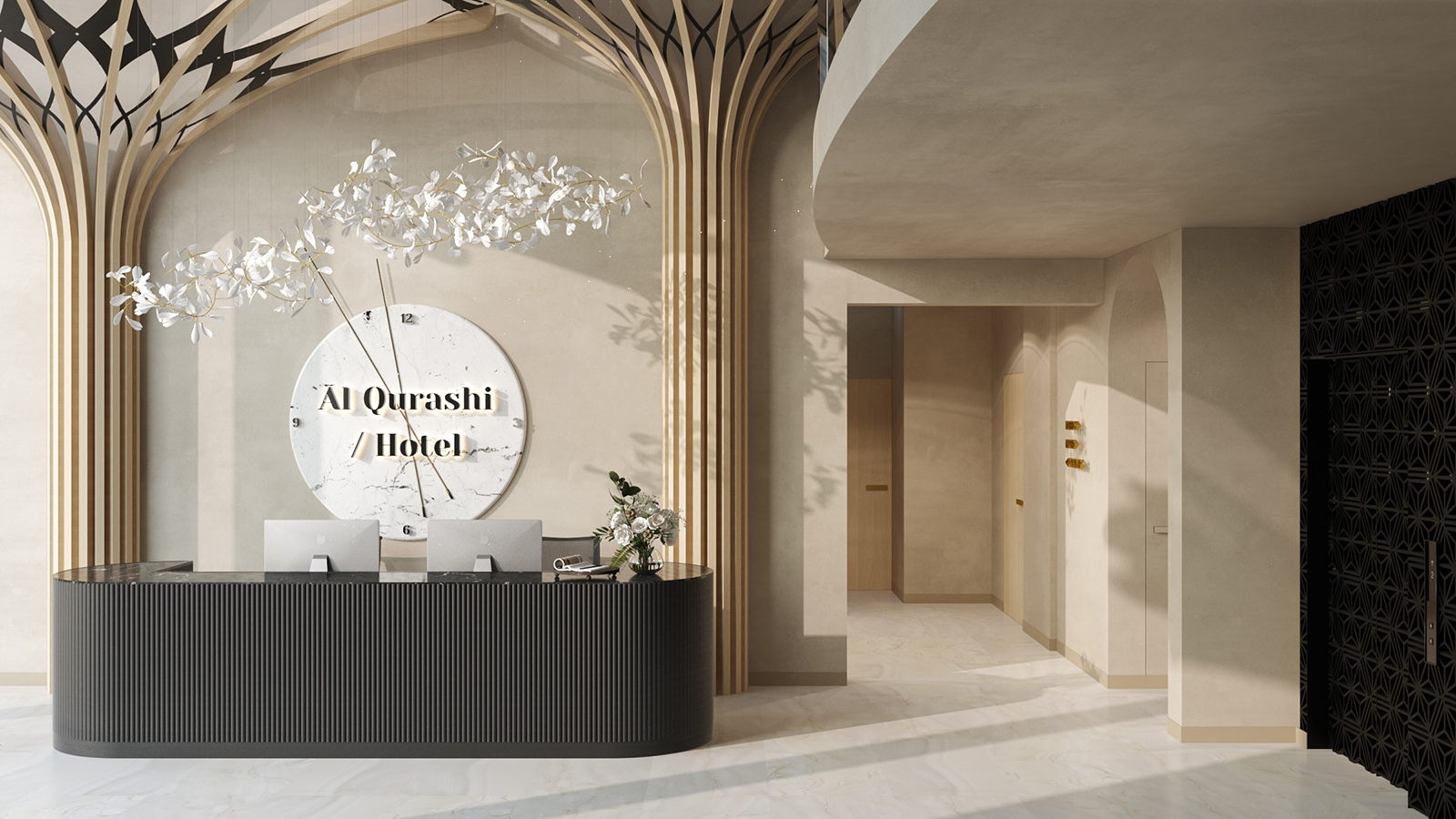
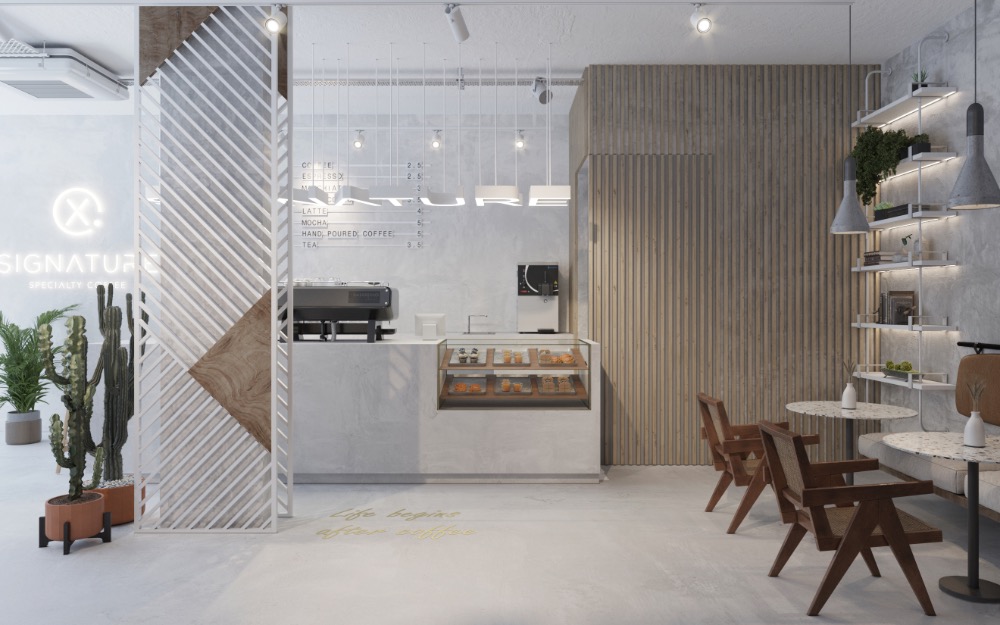
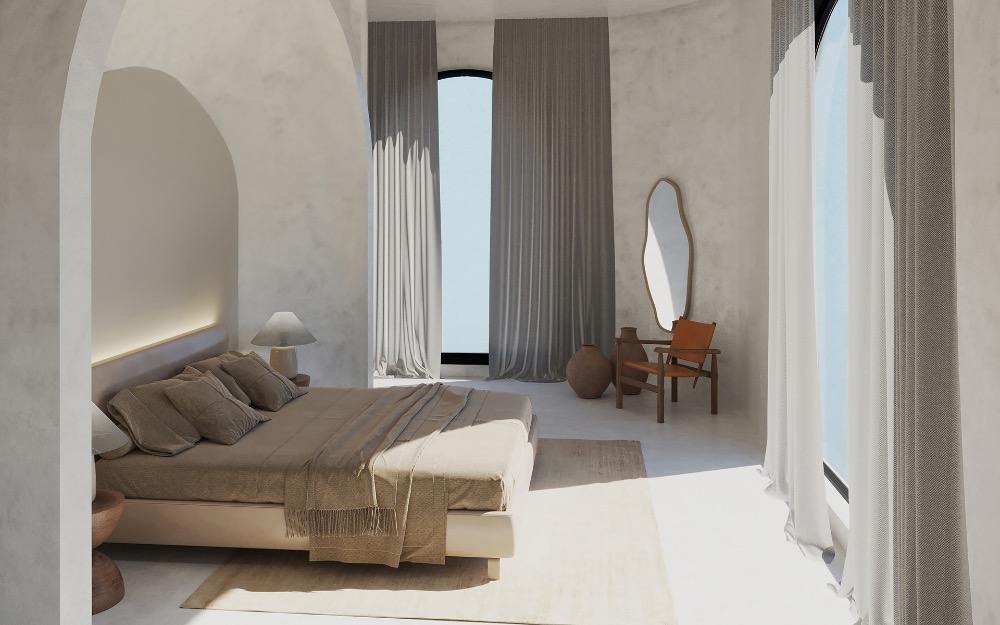
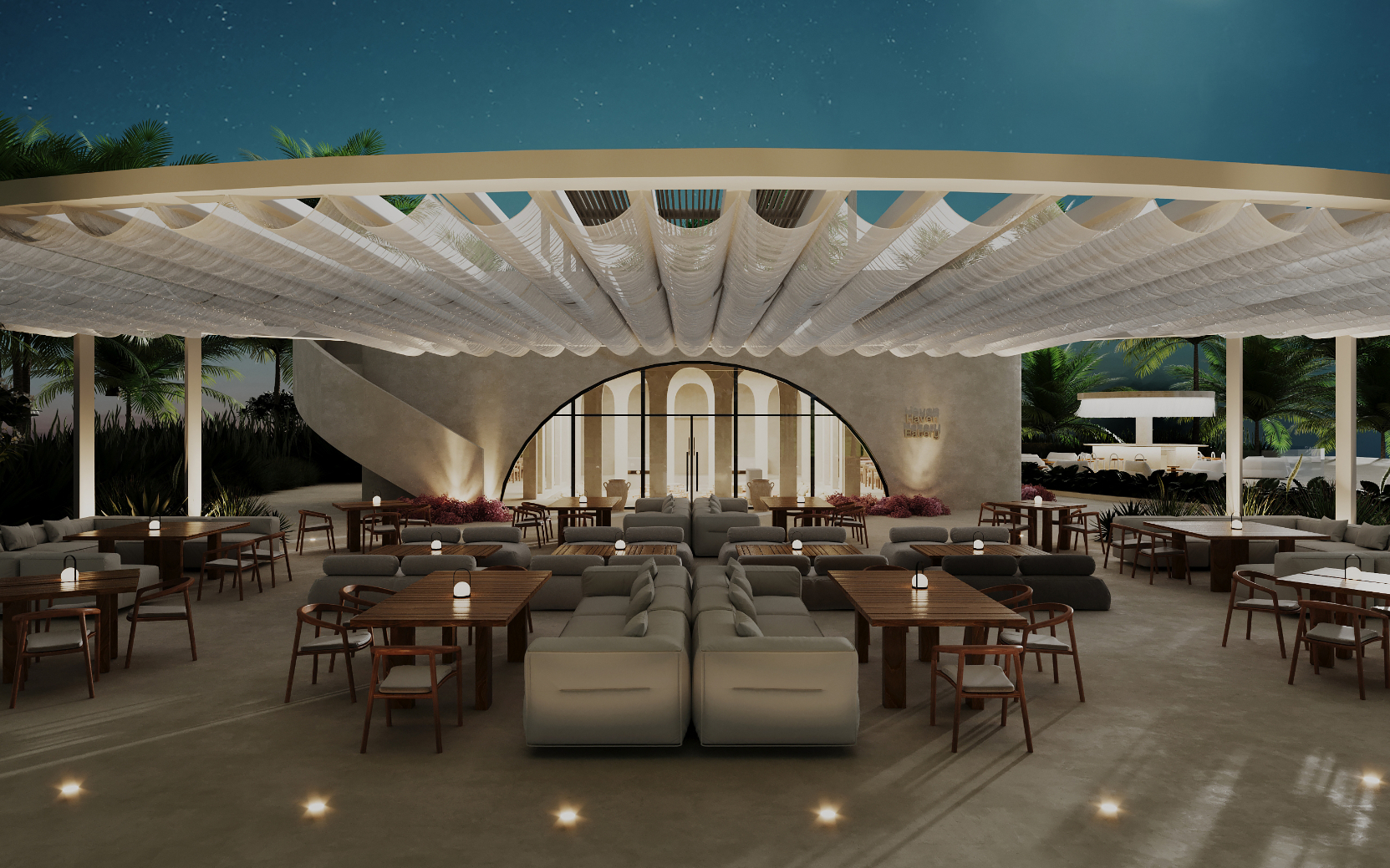
• Design & Ambience: The design and atmosphere of a hotel can significantly influence guest perceptions. Assess how your competitors’ architecture and interiors are perceived. Do they create a sense of luxury, comfort, or uniqueness? Evaluate how their design choices help attract and retain guests. Understanding design trends within your competitive set can also inform your own design decisions.
• Service Offerings: What amenities or unique experiences do they offer? From spa services to eco-friendly initiatives, offering distinct services can set you apart from the competition. Also, consider any loyalty programs or exclusive packages they offer to encourage repeat business.
• Pricing Strategy: How do your competitors price their rooms, and how frequently do they adjust their rates? Look for trends in pricing across seasons, special promotions, or discounts. This insight helps you maintain competitive rates and fine-tune your own pricing strategy.
• Marketing Approach: What kind of content does your competitor produce, and how do they engage their audience online? Look at their social media presence, promotional materials, and online advertising campaigns. Are they reaching their target market effectively? By identifying the content and messaging that resonates with their audience, you can refine your own marketing strategy.
3. Leverage Guest Reviews & Social Media Insights
Guest reviews and social media insights are some of the most valuable resources for understanding competitor strengths and weaknesses. By analyzing online reviews, you can discover what guests love about your competitors and where they’re falling short. Are guests thrilled by the personalized service, or frustrated with long check-in times? These insights can help you fine-tune your services and provide a more exceptional experience.
Similarly, competitor social media activity offers a window into their customer interactions and engagement strategies. How do they respond to complaints or thank guests for positive feedback? What kind of content does their audience engage with? Social media analysis allows you to improve your digital presence and customer interaction strategies.
4. Mystery Shopping: Experience the Competition Firsthand
The best way to understand a competitor’s service level is to experience it firsthand. Mystery shopping is a great way to do this. Stay at a competitor hotel, or dine at their restaurant, and observe the experience from start to finish. Pay close attention to:
- The check-in and check-out process
- The quality and cleanliness of the rooms
- The level of customer service from staff members
- The dining experience and menu options
- The overall attention to detail in the guest experience
This firsthand experience will provide you with practical insights into what your competitors do well and where they might be missing the mark.
5. Benchmark Key Performance Indicators (KPIs)
To truly understand how you measure up against your competitors, track and compare important performance metrics like occupancy rates, average daily rate (ADR), revenue per available room (RevPAR), guest satisfaction scores, and social media engagement. These KPIs give you clear, data-driven insights into where you can make improvements and how your performance stacks up against the competition.

You're reading the BUILD newsletter.

Get the inside scoop from Yaiza Martinez on all things hospitality and design.
Implementing Your Competitive Analysis Findings
Once you’ve gathered your research, it’s time to put it into action. The goal is to refine your brand and operations based on what you’ve learned from your competitors. Here’s how you can implement your findings:
• Enhance Your Unique Selling Proposition (USP): Make sure your messaging clearly highlights what makes your hotel stand out. Use insights from your competitor analysis to sharpen your value proposition and emphasize what differentiates your brand.
• Refine Your Guest Experience: Address service gaps that competitors may overlook. Focus on providing personalized, memorable experiences that exceed guest expectations. Whether it’s faster check-in times or more thoughtful amenities, there’s always room to enhance the guest experience.
• Optimize Pricing & Promotions: Adjust your pricing strategy based on market trends. While staying competitive is important, ensure your rates reflect the quality and experience you offer.
• Innovate in Design & Offerings: Use your findings to inform design decisions and service offerings. If competitors lack certain amenities or experiences that guests want, this is your opportunity to fill the gap.
• Strengthen Marketing & Branding: Sharpen your online presence, craft engaging content, and elevate your brand voice. A cohesive brand identity will resonate with guests and help you stand out in a crowded market.
Stay Agile: Competitive Analysis is Ongoing
In hospitality, the market is always evolving, and so are your competitors. That’s why competitive analysis should never be a one-time task. Continually reassess your position, track market changes, and adapt your strategies accordingly. Staying flexible and constantly fine-tuning your approach helps you stay ahead of trends, attract more guests, and maintain a strong competitive edge.
Elevate Your Business with Tanic Design
A competitive edge goes beyond offering the best amenities or the lowest price. It’s about creating a brand experience that stays with people long after they’ve left. At Tanic Design, we focus on designing spaces that leave a lasting impact, turning every corner of your hotel into something unforgettable. If you’re ready to elevate your brand and transform how guests experience your space, let’s connect and build a hotel that doesn’t simply compete. It sets the standard.
Share this Article


YAIZA MARTINEZ
Yaiza, founder of Tanic Design, is passionate about transforming hospitality spaces into immersive experiences that captivate guests and drive revenue growth. With a keen eye for detail and a deep understanding of brand strategy, she crafts bespoke designs that resonate with each hotel’s unique identity. She believes that every space should tell a story, making it memorable and inviting for guests. Her innovative approach not only enhances guest satisfaction but also boosts operational efficiency, ensuring long-term success for hospitality businesses. With years of expertise in hospitality consulting and design, she’s dedicated to helping hotels stand out in a competitive market, creating environments that guests love and return to time and time again.
Our Clients don’t just see results, they see record-breaking success.
Recent Content
ARTICLE
How to Make Interiors Your Best Marketing Tool
Learn how to turn your interior design into a powerful marketing tool that reflects your brand, enhances customer experience, and boosts organic social media engagement.

ARTICLE
Hotel Competitive Analysis: How to Stay Ahead in a Crowded Market
Your competitors are making moves. Are you keeping up? Learn how to spot opportunities, refine your strategy, and give guests a reason to choose you.
ARTICLE
The Rise of Tactile Design in Hospitality Spaces
Tactile design in hospitality creates immersive spaces by blending textures, materials, and lighting to enhance emotional connections and guest experiences.

Now that we’ve spent some time together. Lemme ask....
you are?
There’s never been a better time to unlock the full potential of your business. Whether you’re a hotel, restaurant, or coffee shop business, our plans are designed to cater to all your needs.

HOTEL
Blast through revenue ceilings and soar to new heights!
Want your hotel to be more than just a place to crash?
 DO IT
RESTAURANT
Swipe all my competitor's customers and dominate the market!
Ever imagined your restaurant as more than just a place to eat?
DO ITCOFFEE SHOP
Supercharge my brand and make it a smashing success!
Looking to brew up a storm with a standout coffee shop?
DO ITHOTEL
Blast through revenue ceilings and soar to new heights!
Want your hotel to be more than just a place to crash?
DO ITRESTAURANT
Swipe all my competitor's customers and dominate the market!
Ever imagined your restaurant as more than just a place to eat?
DO ITCOFFEE SHOP
Supercharge my brand and make it a smashing success!
Looking to brew up a storm with a standout coffee shop?
DO ITJoin 2k+ Founders & Makers
 Get our bi-weekly emails with insightful content on how to boost your hospitality business growth.
Join 2k+ Founders & Makers
 Get our bi-weekly emails with insightful content on how to boost your hospitality business growth.
See if TANIC DESIGN is right for you. (IT totally is.)
But hey, don’t just take our word for it-let’s find out together if Tanic Design is the missing piece to your business puzzle.
Hit the ButtonHold up, don’t go just yet!
Seems you need some more time to weight the options, and that’s totally cool. Why not we hand out together?


Copyright © 2024 All rights reserved.