






Revolutionizing Hotel Design and Construction: The Future Hospitality
Discover how innovative designs and construction methods are changing hotel spaces. Learn how they can make your brand more unforgettable to every guest.
26 April, 2024



The hospitality industry is always changing, and cookie-cutter hotel rooms aren't enough to attract and keep a solid clientele base. So are generic living spaces that house the bare minimum.
Even the smallest mishap can make or break an experience in the hotel sector. In short, there's no room for error or missed details. That said, guest satisfaction must be a priority with every interaction. Thankfully, certain design technologies and construction practices can make every client's dream a reality—no matter how unique or challenging they may be.
Let's take a journey to explore how hotels can cater to the ever-changing needs of today's travelers. We'll cover modern construction methods and revolutionary hotel designs that make room for a more immersive experience, making every stay as memorable as possible. These insights can help you envision your next accommodation space—whether you're just starting or revamping your business.
1. Emerging hotel construction methods
Traditional construction practices are often too resource-intensive, costly, and time-consuming. For one, complex hotel projects require around three years to finish. Building a hotel also varies wildly cost-wise. As of 2022, the national spending ran from USD$13 million to USD$32 million—depending on the amenities, number of rooms, and other specifications. For instance, the average construction cost for a three-star hotel with 100 rooms is approximately USD$ 22.1 million. (1)
By hiring reputable construction companies in your area, you can ensure high-quality, on-time, and affordable build for your hotel. For instance, if you're in Australia's Darling Downs region, partner with Toowoomba Concreting experts for your hotel project. They're specialists in building any concrete foundation, walls, and supports for any building type.
Additionally, the following approaches can help address the issues inherent to hotel construction:
- Sustainable architecture: saving the planet, one stay at a time
According to the United Nations Environment Program, buildings and the construction industry contribute about 37% of global greenhouse gas emissions. That's why the sector has been working for years to lower its carbon footprint. (2)
Some modern hotels are built using sustainable and recycled materials to minimize energy consumption during manufacturing and operation significantly. This approach also minimizes construction waste and energy use and integrates green building models.
Estimates reveal that unsustainable resource consumption practices cause 75% of the hospitality industry's environment-related problems. The solution? Building an eco-friendly hotel. Some structures utilize solar panels to power their operations, collect rainwater for irrigation, and boast a rooftop farm serving fresh, locally sourced ingredients in their restaurants. These sustainable practices benefit the environment and can lead to cost savings for hotels—which can translate into more competitive guest rates. It's a win-win solution for everyone. (3)
If building an eco-friendly hotel is up your alley, remember to obtain certifications like LEED (Leadership in Energy and Environmental Design) to attract eco-conscious guests. This certification validates the hotel's environment-friendly design and continuing sustainable practices.
- Modular construction: faster, smarter, more sustainable
Imagine a hotel built with prefabricated, interchangeable units – like a giant Lego set for architects. This isn't science fiction; it's modular construction. This innovative approach streamlines the building process, minimizing construction waste and reducing on-site disruption.
Based on estimates, modular construction can speed project times by 50% and cut expenditures by 20 percent compared to traditional construction approaches. With its popularity, the market is projected to reach USD$ 130 billion by 2030—primarily in the U.S. and Europe. (4)
But the benefits go beyond speed and cost-efficiency. Modular units are often constructed in controlled environments, leading to improved quality control and potentially even more sustainable building practices.
- 3D printing construction: innovating for the future
Three-dimensional printing for building components is an emerging construction trend for residential and commercial properties. This construction method uses computer-operated processes to manufacture three-dimensional parts from various materials, including plastic, metal, and concrete.
The sector was pegged at USD$ 3.5 billion in 2022 and is estimated to reach around USD$ 523.3 billion by 2030—registering a predicted cumulative growth of 87% between 2020 and 2030. Its widespread adoption in ideating, prototyping, and printing building parts drives the industry to greater heights. (5)
3D printing in construction—also called additive construction—provides multiple benefits. Besides addressing the manual labor gap, it also increases productivity without compromising precision and quality.
To showcase what 3D printing can do in the hospitality sector, a company has collaborated with an architectural and tech company to build the world's first 3D-printed accommodation. The project, set to open this year in Texas, spans over 60 acres. (6)
2. Redefining hospitality spaces: a look at innovative room concepts
As part of the service industry, hotels must constantly evolve to meet their clientele's fickle and varied tastes. Gone are the days of one-size-fits-all hotel rooms. Today, these living spaces cater to diverse traveler needs with innovative room concepts like the ones featured on this list.
- Biophilic design: bringing the outdoors in
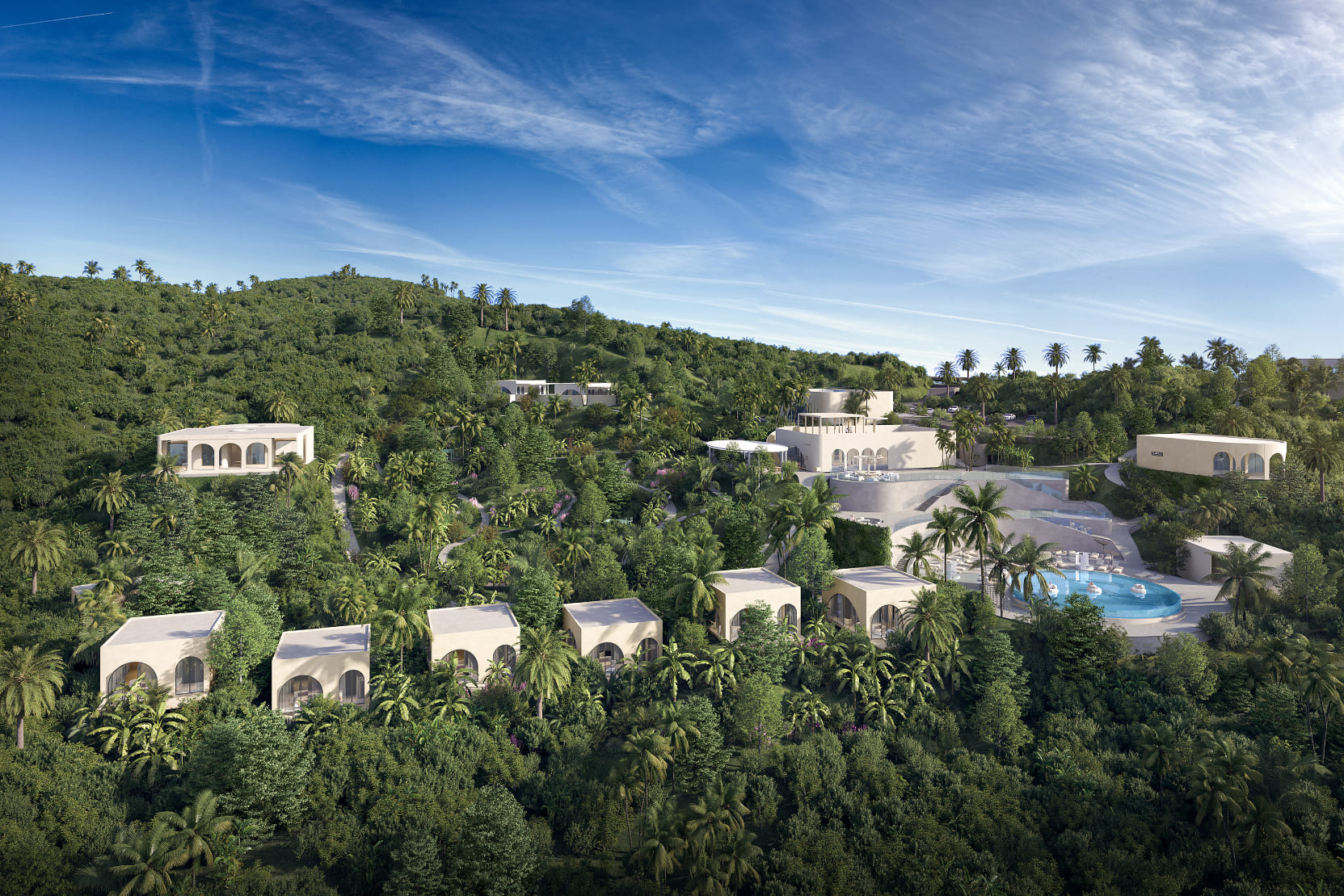
Biophilic design, a concept that emphasizes incorporating elements of nature into built environments, is taking the hotel industry by storm. However, this isn't just about sticking a potted plant in the corner. Biophilic-designs hotels are:
- Embracing natural light with expansive windows
- Incorporating water features
- Integrating rooftop gardens
- Utilizing natural materials like wood, stone, and bamboo to create a sense of tranquility and connection with the outdoors.
Humans have a natural affinity to nature. So, how would you feel waking up to a gentle breeze rustling through living walls adorned with lush greenery? We're guessing refreshed and ready to tackle the day. That's because nature-centric buildings are known to boost well-being and mental health.
Studies have shown that biophilic design can reduce stress, improve sleep quality, and enhance overall well-being – perfect for unwinding after a day of exploring a new city. A post-pandemic study also predicted increased demand for such accommodations, specifically for these reasons. (7)
- Micro hotels: for those who want to live simply
We all know how expensive real estate properties are in major cities. That's why optimizing accommodation spaces is important. Borrowing the concept from micro apartments, this design concept is trending in the hospitality sector.
Micro hotels offer ultra-compact, cleverly designed rooms perfect for short stays or budget-conscious travelers. The key principle isn't only to maximize space; it's to cater to travelers looking for a mix of comfort and functionality—without breaking the bank.
Think minimalist havens packed into a surprisingly efficient space – a comfy bed, a sleek bathroom, and perhaps even a cleverly concealed workspace. Besides finding the sweet spot, your hotel brand must offer a cozy experience guests couldn't find anywhere else.
- Shared-living hotels: a cost-effective long-stay option
Co-living hotels cater to guests who love interacting with people—while still keeping their privacy. Think private rooms within a shared living space. These spaces have complete amenities, like kitchens, lounges, fitness gyms, and co-working spaces.
It works perfectly for work-from-home team members and travelers who are always on the go, including expatriates, students, and business executives. Ultimately, co-living hotels foster a sense of community and connection, perfect for those seeking a more social experience.
- Experiential hotel rooms: making every visit more exciting
Providing a top-notch luxury hotel experience is a no-brainer. And you can elevate this further by offering themed rooms. By incorporating themes into your room design, you transport your guests to a different world, allowing them to live their fantasies.
There's no shortage of concepts when making one—whether your visitor is a film buff, a nature lover, or a sci-fi aficionado. For example, one of the most popular high-end hotel chains offers themed rooms for die-hard Barbie, New York Yankees, Hallmark Channel, and rock-and-roll fans. If anything, this proves there's always room for everyone who prefers a more immersive stay.
- Adaptable rooms: prioritizing accessibility and inclusivity
Speaking of catering to guest needs, hotels can allow occupants to adapt the room layout according to their needs. You can incorporate movable furniture or partitions that create separate work and sleep areas. Or ask the client for specific instructions and requirements before booking or arrival.
Besides offering flexible rooms, you can offer living spaces to accommodate persons with disabilities. To comply with these, you can:
- Integrate Braille signages and handrails to enhance mobility
- Make the floor more suitable for wheelchair use
- Place beds with adjustable height
You can still place decorations and modifiable fixtures, but ensure they don't hinder accessibility. Inclusivity in the hospitality sector is more than just an ethical issue. It's also a legal obligation. No less than the U.S. attorney's office had to remind hoteliers to adhere to the Americans with Disabilities Act (ADA) about providing accessible rooms. (8)
- Smart hotel rooms: your automated living space
With smartphones becoming a necessity in this age, it's unsurprising for guests to prefer rooms with automated systems. With smart hotel rooms, occupants don't have to fumble with the thermostat or go through numerous panels to find the light switch.
Using voice or a downloadable app, they can control their environment according to their preferences for ultimate comfort. In addition, hoteliers can enhance security through automated locks, mobile keys, sensors, and motion-activated lighting controls, to name a few.
Integrating this technology doesn't only benefit the guests. Hotels, too, are gaining perks through optimized energy usage, leading to cost savings and a reduced environmental impact.

You're reading the BUILD newsletter.

Get the inside scoop from Yaiza Martinez on all things hospitality and design.
Personalization and continuous adaptation are keys to success
Achieving success in the hospitality industry goes beyond providing guests a place to sleep. Hotels are now evolving into dynamic, experience-driven havens that cater to every visitor's requirement.
With a wide range of options, as laid out above, these innovations in both design and construction can create a more personalized and enriching experience. But even as technologies and consumer preferences advance, one thing remains: hoteliers need to embrace these changes to stay on top.
References
- "How much does it cost to build the average hotel?", Source: https://fixr.com/costs/build-hotel
- "Building Materials And The Climate: Constructing A New Future", Source: https://www.unep.org/resources/report/building-materials-and-climate-constructing-new-future
- "Eco-friendly hotel stay and environmental attitude: A value-attitude-behaviour perspective", Source: https://www.sciencedirect.com/science/article/abs/pii/S0278431921002371
- "Modular construction: From projects to products", Source: https://www.mckinsey.com/~/media/mckinsey/business%20functions/operations/our%20insights/modular%20construction%20from%20projects%20to%20products%20new/modular-construction-from-projects-to-products-full-report-new.pdf
- "3D Printing for Construction Market Size Set to Achieve $523.3 Billion by 2030, Growing at 87% CAGR | Revolutionizing Printing Structures in Construction", Source: https://www.globenewswire.com/news-release/2023/08/31/2735631/0/en/3D-Printing-for-Construction-Market-Size-Set-to-Achieve-523-3-Billion-by-2030-Growing-at-87-CAGR-Revolutionizing-Printing-Structures-in-Construction.html#:~:text=The%20global%203D%20Printing%20for,87%25%20between%202023%20and%202030
- "Texas To Boast World's First 3D-Printed Hotel By Company Also Set To Build On The Moon", Source: https://finance.yahoo.com/news/texas-boast-worlds-first-3d-224115890.html
- "Preferences for Hotels with Biophilic Design Attributes in the Post-COVID-19 Era", Source: https://www.mdpi.com/2075-5309/12/4/427
- "U.S. Attorney's Office reminds hoteliers of obligations under the Americans with Disabilities Act", Source: https://www.justice.gov/usao-wdwa/pr/us-attorneys-office-reminds-hoteliers-obligations-under-americans-disabilities-act
Share this Article


YAIZA MARTINEZ
Yaiza, founder of Tanic Design, is passionate about transforming hospitality spaces into immersive experiences that captivate guests and drive revenue growth. With a keen eye for detail and a deep understanding of brand strategy, she crafts bespoke designs that resonate with each hotel’s unique identity. She believes that every space should tell a story, making it memorable and inviting for guests. Her innovative approach not only enhances guest satisfaction but also boosts operational efficiency, ensuring long-term success for hospitality businesses. With years of expertise in hospitality consulting and design, she’s dedicated to helping hotels stand out in a competitive market, creating environments that guests love and return to time and time again.
Our Clients don’t just see results, they see record-breaking success.
Recent Content
ARTICLE
How to Make Interiors Your Best Marketing Tool
Learn how to turn your interior design into a powerful marketing tool that reflects your brand, enhances customer experience, and boosts organic social media engagement.
ARTICLE
Hotel Competitive Analysis: How to Stay Ahead in a Crowded Market
Your competitors are making moves. Are you keeping up? Learn how to spot opportunities, refine your strategy, and give guests a reason to choose you.
ARTICLE
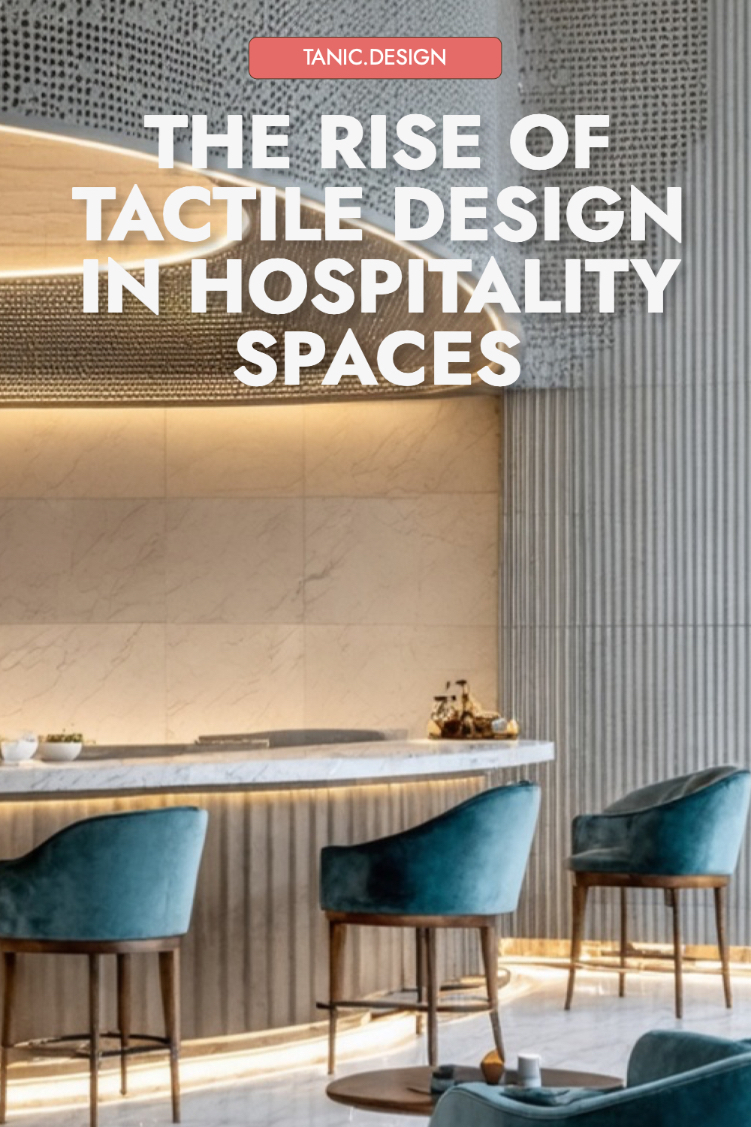
The Rise of Tactile Design in Hospitality Spaces
Tactile design in hospitality creates immersive spaces by blending textures, materials, and lighting to enhance emotional connections and guest experiences.
Now that we’ve spent some time together. Lemme ask....
you are?
There’s never been a better time to unlock the full potential of your business. Whether you’re a hotel, restaurant, or coffee shop business, our plans are designed to cater to all your needs.

HOTEL
Blast through revenue ceilings and soar to new heights!
Want your hotel to be more than just a place to crash?
 DO IT
RESTAURANT
Swipe all my competitor's customers and dominate the market!
Ever imagined your restaurant as more than just a place to eat?
DO ITCOFFEE SHOP
Supercharge my brand and make it a smashing success!
Looking to brew up a storm with a standout coffee shop?
DO ITHOTEL
Blast through revenue ceilings and soar to new heights!
Want your hotel to be more than just a place to crash?
DO ITRESTAURANT
Swipe all my competitor's customers and dominate the market!
Ever imagined your restaurant as more than just a place to eat?
DO ITCOFFEE SHOP
Supercharge my brand and make it a smashing success!
Looking to brew up a storm with a standout coffee shop?
DO ITJoin 2k+ Founders & Makers
 Get our bi-weekly emails with insightful content on how to boost your hospitality business growth.
Join 2k+ Founders & Makers
 Get our bi-weekly emails with insightful content on how to boost your hospitality business growth.
See if TANIC DESIGN is right for you. (IT totally is.)
But hey, don’t just take our word for it-let’s find out together if Tanic Design is the missing piece to your business puzzle.
Hit the ButtonHold up, don’t go just yet!
Seems you need some more time to weight the options, and that’s totally cool. Why not we hand out together?







Copyright © 2024 All rights reserved.