








Hotel Architectural Design: The Ultimate Guide for 2024
Explore key trends in hotel architectural design for 2024, focusing on flexibility, wellness, and sustainability to enhance guest experiences.
23 July, 2024


Table of Contents
- 1. Understanding the Principles of Hotel Architectural Design
- 2. Embracing Key Trends in Hotel Architectural Design for 2024
- 3. Key Design Considerations for Different Areas in a Hotel
- 4. Ensuring Inclusivity: Accessibility Considerations in Hotel Architecture
- Looking Ahead: The Future of Hotel Architectural Design
- Conclusion
Hotel architectural design is more than just constructing buildings; it's about crafting unforgettable guest experiences. Hospitality thrives on the unique environments and ambiances that hotels create, making architectural design a vital component of success.
Why is hotel architecture a crucial aspect that can make or break a hotel's success? Imagine walking into a lobby that instantly makes you feel at home or a guest room that offers both luxury and comfort—these are the outcomes of thoughtful design. Architecture influences first impressions, guest satisfaction, and ultimately, brand loyalty.
For 2024, several key trends are shaping hotel architectural design:
- Flexible and Adaptable Spaces: Designs that cater to diverse guest needs, from remote work to extended stays.
- Wellness Integration: Prioritising wellness with state-of-the-art amenities and biophilic designs.
- Sustainability: Emphasising eco-friendly practices and sustainable materials.
These trends reflect evolving guest preferences and technological advancements in the hospitality industry. To dive deeper into creating exceptional hotel spaces, explore the importance of developing a unique hotel brand. This resource delves into branding strategies, including brand identity and unique marketing approaches, which are crucial for establishing client loyalty.
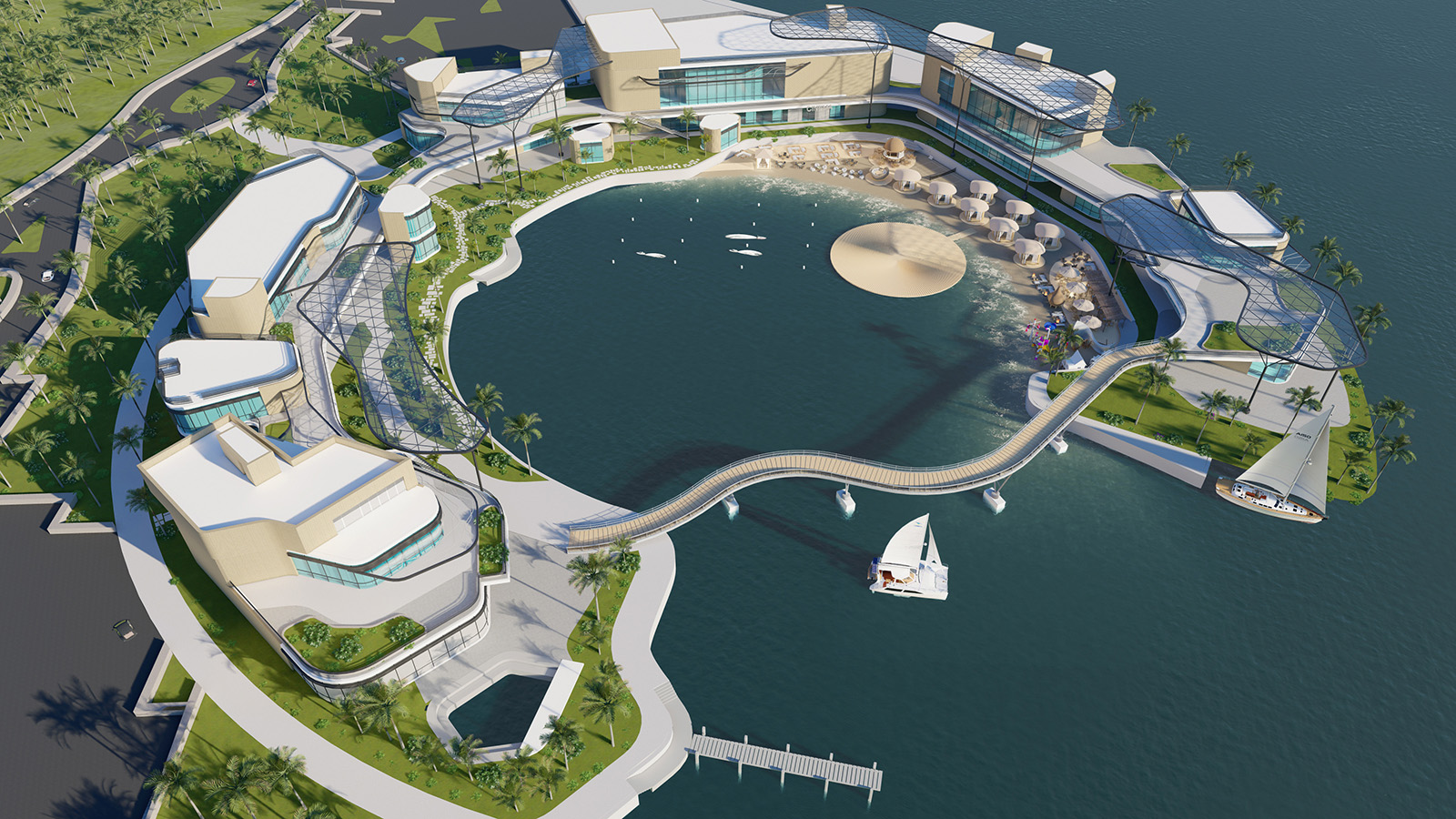
Additionally, for inspiration on innovative design that redefines spaces in the hotel industry, take a look at the Villa Ahlina Resort by Tanic Design. This resort showcases how interior design can elevate guest experiences to new heights.
1. Understanding the Principles of Hotel Architectural Design
The Core Principles
Effective hotel architectural design is based on a set of fundamental principles that ensure every part of the space contributes to an exceptional guest experience. These principles include:
- Functionality: Making sure every area within the hotel serves its intended purpose well.
- Aesthetics: Creating visually appealing environments that resonate with guests and reflect the hotel's unique identity.
- Sustainability: Using eco-friendly practices and materials to reduce harm to the environment.
Comprehensive Planning and Conceptualisation
Comprehensive planning is the foundation of successful hotel architecture. This stage involves:
- Site Analysis: Evaluating the location, climate, and surrounding environment to guide design choices.
- Market Research: Understanding target demographics and their preferences.
- Concept Development: Creating a vision that aligns with brand values and guest expectations.
Key things to think about include:
- Space Utilisation: Efficiently organising spaces for best functionality and movement.
- Future-Proofing: Designing adaptable spaces that can change with new trends.
Aesthetic Balance
Getting the right aesthetic balance is crucial in defining a hotel's identity. This includes:
- Colour Schemes: Choosing palettes that evoke desired emotions.
- Textures and Materials: Combining various textures to create depth and interest.
- Lighting: Using both natural and artificial lighting to enhance the atmosphere.
The role of aesthetics goes beyond just how things look. It creates an immersive experience that connects with guests, making their stays memorable. A well-designed hotel combines aesthetics with functionality, making sure every element has a useful purpose.
"Design is not just what it looks like and feels like. Design is how it works." – Steve Jobs
Aligning with Guest Preferences
Understanding guest preferences is very important in shaping design choices. Modern travellers want:
- Personalised Experiences: Tailoring spaces to their individual needs.
- Local Culture Integration: Including elements of local art and culture.
Considering these preferences makes sure that the hotel's design not only meets but surpasses guest expectations, creating an experience that is both special and unforgettable.
Incorporate these principles into your next project to create a harmonious mix of functionality, aesthetics, and guest-focused design. For example, you can explore 7 Secrets to Captivating Storytelling for Hotels to create interesting stories that delight guests and enhance your brand appeal.
Moving forward, embracing key trends such as Mastering Hotel Arrival & Departure for Elevated Guest Delight will further enhance your architectural vision.
2. Embracing Key Trends in Hotel Architectural Design for 2024
2.1 Flexible and Adaptable Spaces
The future of hotel architectural design is expanding, reflecting an era where flexibility and adaptability are crucial. With the rise of remote work and diverse guest needs, hotel spaces are changing into versatile environments that cater to various purposes.
Key Elements of Flexible and Adaptable Spaces:
- Flexible Layouts: The traditional, rigid layouts are giving way to designs that can morph and adapt as required. This includes everything from rooms that can be reconfigured for different group sizes to lobbies that serve as co-working spaces by day and social hubs by night.
- Remote Work Accommodations: As the lines between work and leisure blur, hotels are offering dedicated remote work facilities. High-speed internet, ergonomic furniture, and quiet zones are becoming standard features within guest rooms and common areas.
- Multifunctional Areas: These are becoming the norm rather than the exception. Imagine a lounge area that effortlessly transitions into a venue for pop-up events or art installations. Hotels like the
- Custom Furniture: The inclusion of modular furniture allows spaces to be easily reconfigured. For instance, seating arrangements in conference rooms can be adjusted to accommodate different event formats, ensuring optimal use of space without compromising on comfort or aesthetics.
- Technological Integration: Smart room functionalities enable guests to personalise their environment according to their needs. From adjustable lighting and temperature controls to flexible desk arrangements, technology plays a crucial role in enhancing the adaptability of hotel spaces.
These trends highlight a shift towards creating versatile environments that not only meet current demands but also anticipate future needs.
2.2 Wellness Integration
Guest wellness has evolved from being a mere afterthought to a central element in hotel design. This emphasis on health and well-being is reflected through various innovative approaches:
Incorporating Wellness into Hotel Design:
- Biophilic Design Principles: Incorporating natural elements such as indoor plants, natural light, and organic materials helps create calming environments that promote relaxation and mental well-being.
- State-of-the-Art Amenities: Offering wellness-oriented amenities like in-room fitness options, app-based guided workouts, and meditation spaces caters to health-conscious travellers. The
- Personalised Experiences: Hotels are leveraging technology to offer personalised wellness experiences. Customised sleep programs, dietary plans based on individual preferences, and even virtual wellness concierges ensure guests receive tailored care throughout their stay.
2.3 Sustainability and Eco-Friendly Practices
Sustainable design practices are no longer optional; they are imperative for modern hotel architecture. As environmental consciousness grows, hotels are adopting various eco-friendly measures:
Examples of Sustainable Practices in Hotel Design:
- Energy-Efficient Systems: Utilising renewable energy sources such as solar panels and wind turbines reduces carbon footprints significantly. Incorporating energy-efficient lighting and climate control systems further enhances sustainability.
- Locally Sourced Materials: Choosing materials sourced from nearby regions reduces transportation-related emissions and supports local economies.
- Water Conservation Strategies: Implementing water-saving fixtures, greywater recycling systems, and drought-resistant landscaping helps minimise water usage.
- Waste Management Solutions: Embracing recycling initiatives, reducing single-use plastics, and implementing composting systems are effective ways for hotels to manage waste responsibly.
- Green Building Certifications: Seeking certifications like
2.2 Wellness Integration
Wellness Integration stands tall as a pivotal trend in current hotel architecture, reshaping how spaces are designed to prioritise guest wellbeing. In a post-pandemic world, wellness-oriented amenities are not just an added luxury; they are becoming essential components of hotel offerings.
Prioritising guest wellness begins with the design itself. Hotels now integrate state-of-the-art amenities that cater to physical, mental, and emotional health. This includes:
- App-based fitness options
- Improved sleep quality features
Incorporating biophilic design principles is another approach gaining traction. By bringing elements of nature into the hotel environment, these designs foster a connection between guests and the natural world. This can be achieved through:
- Natural light optimisation
- Indoor plants and greenery
- Use of sustainable materials
Hotels like Six Senses Douro Valley in Portugal exemplify this trend by integrating wellness seamlessly into their architectural design. They offer wellness programmes that include yoga pavilions and organic gardens, blending luxury with health-conscious living.
The emphasis on wellness extends to communal areas as well. Spa facilities are being redesigned to provide more personalised treatments and relaxation zones that cater to individual needs. The rise of dedicated wellness floors within hotels showcases how deeply ingrained these concepts have become in modern hospitality.
Integrating wellness into hotel design transforms ordinary stays into revitalizing retreats. Thoughtful details make a significant difference, helping guests thrive and leave feeling refreshed. They don’t just check out—they eagerly anticipate their next stay.
2.3 Sustainability and Eco-Friendly Practices
Sustainability in hotel architecture is no longer a niche concept; it’s a core driver of design innovation. Current trends in hotel architecture emphasise flexible layouts that can adapt to various guest needs and preferences, enhancing the overall experience. Integrating sustainable design practices is not just about reducing environmental impact but also about meeting the evolving expectations of eco-conscious travellers.
Key sustainability practices transforming hotel architecture:
- Low-carbon-impact designs: Hotels are increasingly adopting architectural designs that minimise carbon footprints. This includes the use of energy-efficient systems, such as solar panels and geothermal heating, and the incorporation of green roofs and walls that improve insulation and reduce energy consumption.
- Locally sourced and recycled materials: Embracing materials that are either locally sourced or recycled reduces transportation emissions and supports local economies. Many hotels are now featuring reclaimed wood, recycled metal, and sustainable textiles in their interiors.
- B Corp Certification: Achieving B Corp Certification demonstrates a hotel's commitment to social and environmental performance, accountability, and transparency. This certification is gaining traction as hotels strive to align their operations with broader societal values.
Case Studies: Pioneers in Eco-Friendly Hotel Design
1. Proximity Hotel, Greensboro, North Carolina
Proximity Hotel stands as a beacon of sustainability with its LEED Platinum certification. The hotel features:
- Solar thermal panels that provide hot water for guest rooms.
- Regenerative drive elevators that capture energy during use.
- Recycled materials used extensively throughout the building's construction.
2. The Brando, Tetiaroa Island, French Polynesia
The Brando showcases how luxury can coexist with environmental stewardship:
- Sea Water Air Conditioning (SWAC) system reduces energy consumption by using cold seawater to cool the buildings.
- Renewable energy sources, including coconut oil biofuel generators and solar panels.
- Zero waste policy aims to recycle or compost all waste produced on the island.
By embracing these innovative eco-friendly practices, hotels not only reduce their environmental footprint but also appeal to modern travellers who prioritise sustainability.

You're reading the BUILD newsletter.

Get the inside scoop from Yaiza Martinez on all things hospitality and design.
3. Key Design Considerations for Different Areas in a Hotel
3.1 Guest Rooms
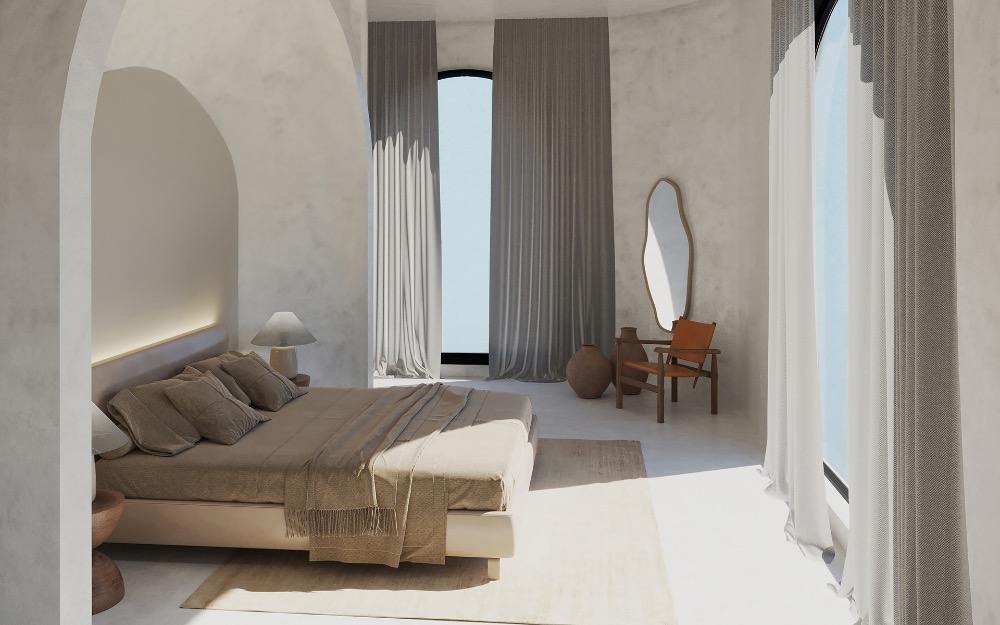
Guest rooms serve as the heart of any hotel experience. The design and features of these spaces significantly impact guest satisfaction and comfort.
Elements Contributing to a Memorable Guest Room Experience
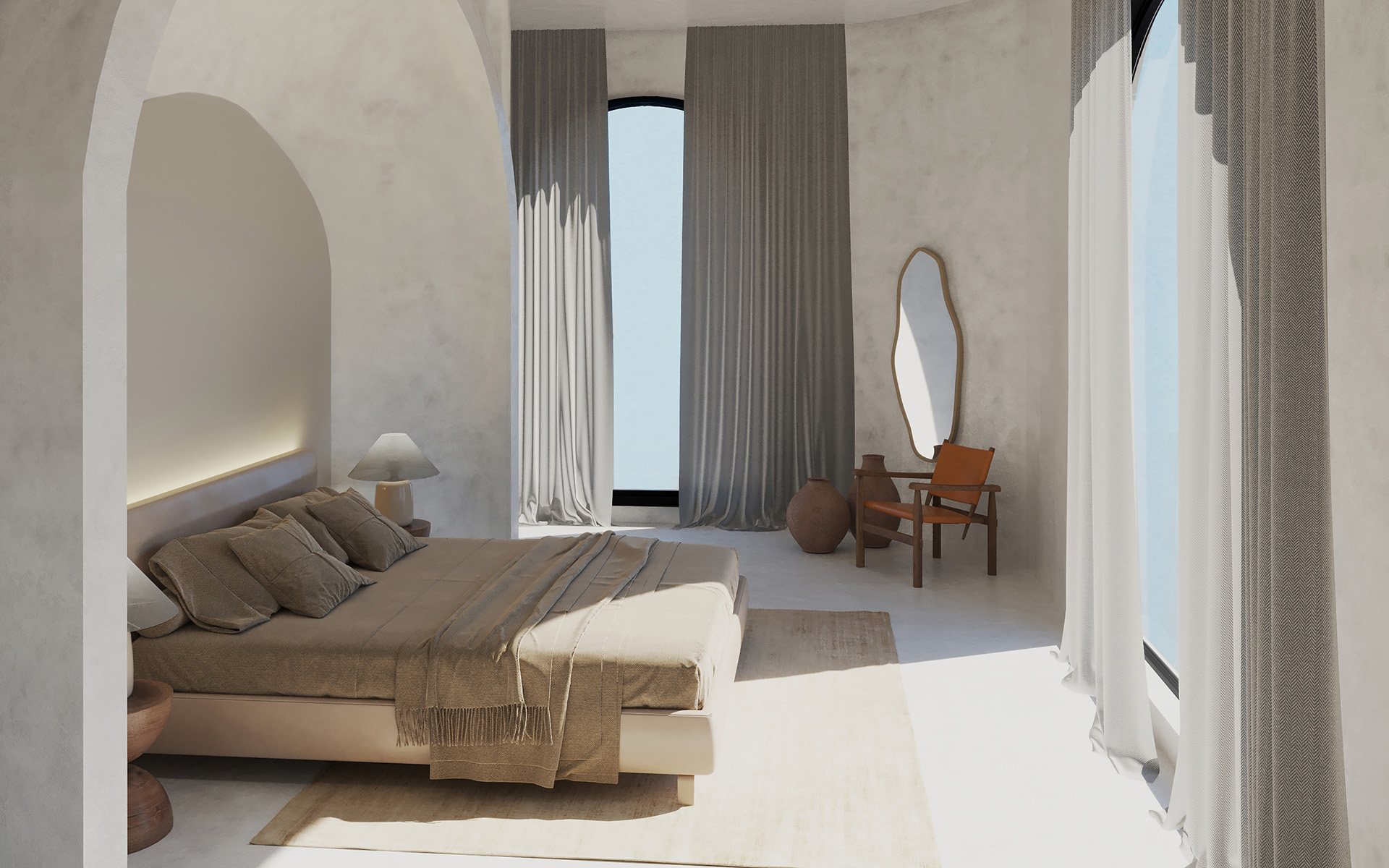
- Bedding Quality: High-quality mattresses and linens form the cornerstone of a restful night’s sleep. Hypoallergenic options and a choice of pillows cater to diverse preferences, ensuring every guest finds their perfect sleep setup.
- Soundproofing Techniques: Effective soundproofing minimises noise intrusion from adjacent rooms or corridors, enhancing tranquillity. Double-glazed windows, acoustic panels, and insulated walls play pivotal roles in creating a serene environment.
- Lighting: Layered lighting design, including ambient, task, and accent lighting, allows guests to customise their room's atmosphere. Smart lighting solutions enable adjustments via mobile apps or voice commands.
- Climate Control: Advanced HVAC systems with individual controls let guests set their preferred room temperature. Energy-efficient models contribute to sustainability while ensuring comfort.
- Technology Integration: Modern amenities such as high-speed Wi-Fi, smart TVs, and USB charging ports cater to tech-savvy travellers. Voice-activated assistants can provide information about hotel services or local attractions.
- Storage Solutions: Ample storage space is essential for both short stays and extended visits. Thoughtful designs include spacious wardrobes, luggage racks, and multi-functional furniture that maximise utility without compromising aesthetics.
- Bathroom Features: Luxurious bathrooms with rain showers, deep soaking tubs, and high-end toiletries elevate the guest experience. Eco-friendly fixtures that conserve water align with sustainability goals without sacrificing indulgence.
- Personalisation Options: Customisable room settings through mobile apps allow guests to tailor their environment to their liking—whether it’s adjusting the room temperature or selecting streaming services on the smart TV.
Creating guest rooms that combine these elements not only ensures comfort but also enhances the overall guest experience, making every stay memorable.
3.2 Common Areas
Common areas in hotels are crucial for fostering interaction among guests while providing functional spaces for various activities.
Designing Inviting Communal Spaces
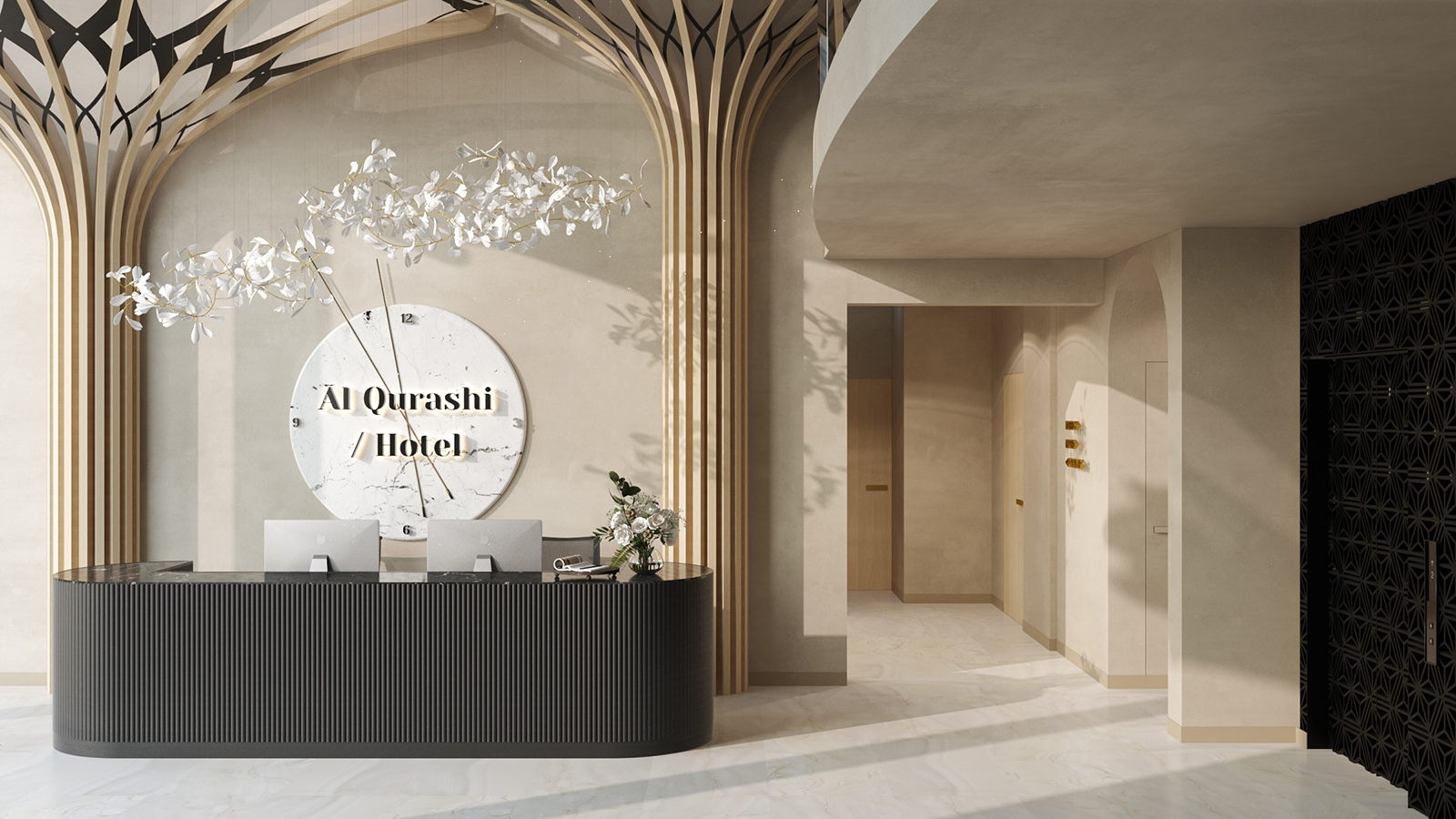
- Lobby Area Significance: The lobby serves as the hotel's social hub and first point of contact for guests. Comfortable seating arrangements, engaging artwork, and natural light create an inviting atmosphere that encourages relaxation and socialisation.
- Flexible Furniture Layouts: Adaptable furniture arrangements accommodate different group sizes and activities. Modular sofas, movable chairs, and versatile tables can be reconfigured for casual meetings or intimate gatherings.
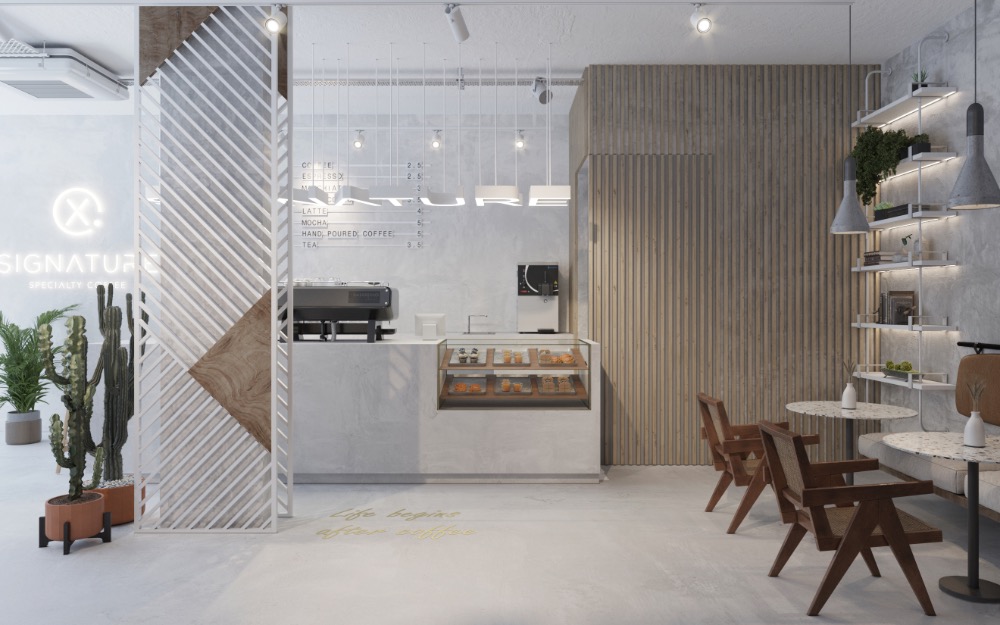
- Amenity-Rich Zones: Incorporating amenities like coffee bars, libraries, or business corners within common areas adds value to the guest experience. These zones cater to diverse needs—from leisure reading to conducting impromptu business meetings.
3.3 Entrance and Lobby Areas
The entrance and lobby areas are pivotal in shaping guests' first impressions of the hotel.
Creating Impactful First Impressions
- Entrance Design: A grand entrance sets the tone for what lies beyond. Thoughtfully designed entrances with impressive doorways, welcoming signage, and lush landscaping draw guests in and create anticipation for their stay.
- Lobby Aesthetics: Curated décor that reflects the hotel's identity enhances the visual appeal of the lobby. Elements such as unique sculptures, bespoke furnishings, and themed installations resonate with guests and reinforce brand identity.
- Functional Flow: Efficiently designed lobbies ensure seamless flow from check-in desks to elevators or other amenities. Clear signage and intuitive layouts help guide guests effortlessly through the space.
By focusing on these key design considerations across different hotel areas—guest rooms, common areas, entrance designs—we ensure each space contributes uniquely to an exceptional overall guest experience.
3.2 Common Areas
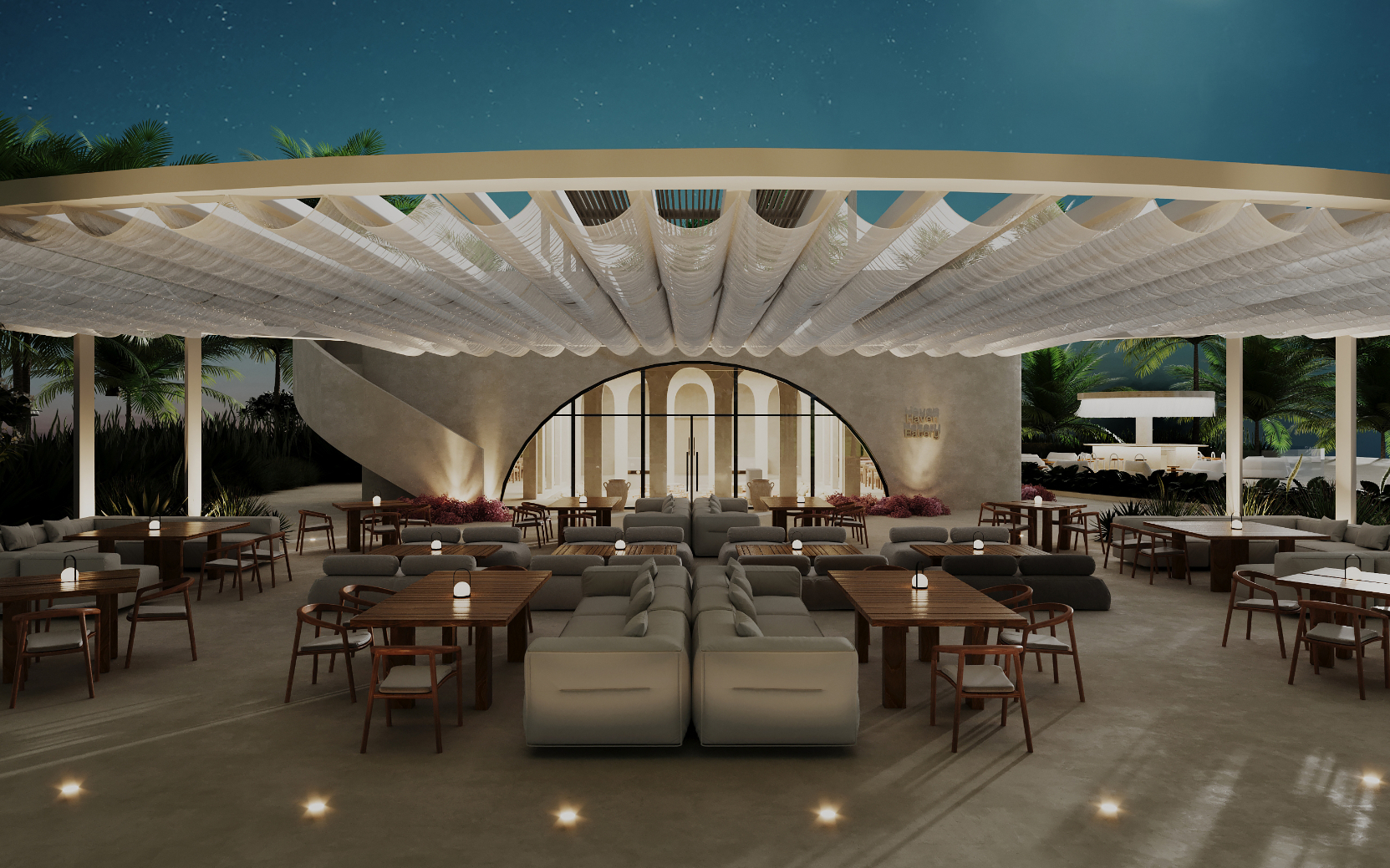
Common areas in hotels are the heartbeats of social interaction and communal engagement. These spaces must be designed with a keen eye for functionality and aesthetics, ensuring they serve as vibrant hubs where guests feel comfortable and welcome. The importance of designing inviting and functional communal spaces that encourage guest interaction cannot be overstated.
Lounge Areas
Comfortable seating arrangements, ambient lighting, and aesthetically pleasing decor create an inviting atmosphere. Think plush sofas, ergonomic chairs, and strategically placed coffee tables that foster conversations and relaxation. The blend of comfort and style transforms these common areas into socialisation zones where guests can unwind or engage with fellow travellers.
Dining Spaces
Whether it's a bustling breakfast buffet or an intimate dinner setting, dining areas should exude warmth and hospitality. Incorporate flexible seating options to cater to solo diners, couples, and larger groups. Use local artwork or cultural elements to add a touch of authenticity, making the dining experience memorable.
Business Centres & Co-Working Spaces
With the rise of remote work, integrating business-friendly amenities is crucial. High-speed internet, quiet workstations, and private meeting rooms cater to business travellers' needs. These areas should be designed with efficiency and convenience in mind, ensuring they support productivity while maintaining a welcoming ambience.
Recreation & Leisure Zones
Spaces such as game rooms, libraries, or wellness centres provide guests with opportunities for relaxation and entertainment. Incorporating versatile furniture that can adapt to different activities enhances the functionality of these areas.
Designing common areas in hotels goes beyond mere aesthetic appeal; it involves creating environments that facilitate connection and comfort. By focusing on elements that promote social interaction—be it through thoughtful seating arrangements or culturally enriched decor—hotels can craft communal spaces that leave lasting impressions on their guests.
3.3 Entrance and Lobby Areas
Creating impressive first impressions through effective entrance design, carefully selected lobby aesthetics, and incorporating elements from a hotel design crash course for hotel owners.
The entrance and lobby areas are the first things guests see when they enter a hotel. It's important to make a good impression right from the start, which is why entrance design is so crucial. A big, inviting entrance with clear signs, well-placed lights, and a welcoming door sets the tone for an amazing stay. Drawing inspiration from these hotel exterior design ideas, such as grand doorways and porticos, can attract guests with their elegance and anticipation.
Strategic landscaping and lighting play a significant role in creating a welcoming lobby atmosphere that exudes a friendly ambience. Well-designed plants and soft lighting not only create an inviting atmosphere but also contribute to the overall aesthetics of the space.
Signage and branding are also crucial aspects of entrance design. Clear, stylish signs help guests find their way easily while also reinforcing the hotel's identity. This is particularly important for creating a seamless experience for visitors who may be unfamiliar with the layout of the property.
The lobby area is extremely important. It's not just a place to pass through but the central point of guest interaction. A carefully designed lobby aesthetic can turn this space into a lively social hub. Incorporating elements such as comfortable seating arrangements that can be used for both relaxation and work is essential.
To infuse character into the lobby area, consider incorporating decorative elements like art pieces, plants, and unique furniture that showcase the hotel's personality. These elements can be borrowed from the concept of showcasing art in cafes, restaurants, banks, and other venues, which adds visual interest while also creating a memorable experience for guests.
Additionally, ensuring functionality within the lobby area is crucial. Technology-friendly areas with charging points and Wi-Fi to meet modern needs are essential. A well-designed lobby area should resemble a miniature version of the hotel itself – welcoming guests, encouraging socializing, and giving them a taste of the comfort they'll experience in their rooms.
By incorporating these design features into the entrance and lobby areas, hotel owners can create an unforgettable experience for their guests right from the beginning.
4. Ensuring Inclusivity: Accessibility Considerations in Hotel Architecture
Inclusive design is not just a trend; it's a fundamental necessity in today's hospitality industry. Prioritising inclusivity ensures that every guest, regardless of ability, experiences seamless access and comfort throughout their stay.
ADA Regulations and Beyond
Adherence to the Americans with Disabilities Act (ADA) regulations is a starting point for creating accessible hotel environments. Compliance with these standards guarantees basic accessibility features such as:
- Wider doorways and hallways for wheelchair access.
- Grab bars in bathrooms, roll-in showers, and accessible toilets.
- Lowered countertops and reception desks for ease of use.
- Braille signage and audio assistance tools for visually impaired guests.
Creating a Seamless Inclusive Experience
Beyond regulatory compliance, hotels can enhance accessibility by integrating thoughtful design elements that cater to all guests:
- Smart Room Technologies: Voice-activated controls for lighting, temperature, and entertainment systems offer independence to guests with mobility impairments.
- Adaptive Furniture: Adjustable-height beds and tables ensure comfort without compromising on style.
- Wayfinding Solutions: Clear signage, tactile paths, and intuitive layout designs help guests navigate the property effortlessly.
Case Studies: Leading by Example
Several hotels are setting benchmarks in inclusive design. The Morgans Hotel Group, for instance, integrates cutting-edge technology with ADA-compliant features to create spaces that are both luxurious and accessible. Their rooms include automated door openers, height-adjustable amenities, and visual alarm systems.
Another trailblazer is the Scandic Hotels, known for their comprehensive accessibility standard known as "Design for All." This initiative encompasses over 110 accessibility features per hotel, ensuring no detail is overlooked.
The Bigger Picture
Inclusivity extends beyond physical accommodations. Training staff in disability awareness fosters an environment of respect and understanding. Providing resources like wheelchair rentals, service animal amenities, and accessible transportation options further demonstrates commitment to inclusivity.
By embracing universal design principles, hotels not only comply with legal requirements but also open their doors wider to welcome every traveller. This forward-thinking approach enriches guest experiences and showcases the brand's dedication to creating truly inclusive environments.
Looking Ahead: The Future of Hotel Architectural Design
The future trends in hotel architecture promise a transformative journey. Embracing cutting-edge technologies and evolving guest preferences will redefine the hospitality landscape.
Emerging Technologies
- Artificial Intelligence (AI) Integration: AI will play a pivotal role in customising guest experiences. From smart room functionalities to predictive analytics, AI will enhance personalisation and operational efficiency.
- Virtual Reality (VR) and Augmented Reality (AR): These technologies will revolutionise how guests interact with hotel spaces, offering virtual tours and immersive experiences that enhance engagement.
Sustainability and Eco-Innovation
- Net-Zero Buildings: Leading the charge towards sustainability, hotels will increasingly adopt net-zero energy designs. This involves integrating renewable energy sources and advanced energy management systems.
- Biophilic Design: Expect a surge in biophilic elements, connecting guests with nature through green roofs, living walls, and natural light optimisation.
Guest-Centric Innovations
- Personalised Wellness Programs: Hotels will offer bespoke wellness experiences tailored to individual needs, leveraging health data and innovative amenities.
- Cultural Immersion: Future designs will place a greater emphasis on local culture, ensuring that each property reflects its unique surroundings through art, architecture, and culinary offerings.
These advancements signal an exciting era for hotel architectural design. By staying ahead of these trends, the industry can create remarkable experiences that resonate with modern travellers.
Conclusion
As we look ahead, hotel designers and operators should stay flexible and keep up with changing traveller preferences. Embracing new ideas that enhance comfort and accessibility helps the hospitality industry go beyond just meeting guest expectations. This way, hotels can build lasting connections, foster loyalty, and create unforgettable experiences that truly resonate with modern travellers.
Share this Article


YAIZA MARTINEZ
Yaiza, founder of Tanic Design, is passionate about transforming hospitality spaces into immersive experiences that captivate guests and drive revenue growth. With a keen eye for detail and a deep understanding of brand strategy, she crafts bespoke designs that resonate with each hotel’s unique identity. She believes that every space should tell a story, making it memorable and inviting for guests. Her innovative approach not only enhances guest satisfaction but also boosts operational efficiency, ensuring long-term success for hospitality businesses. With years of expertise in hospitality consulting and design, she’s dedicated to helping hotels stand out in a competitive market, creating environments that guests love and return to time and time again.
Our Clients don’t just see results, they see record-breaking success.
Recent Content
ARTICLE
How to Make Interiors Your Best Marketing Tool
Learn how to turn your interior design into a powerful marketing tool that reflects your brand, enhances customer experience, and boosts organic social media engagement.

ARTICLE
Hotel Competitive Analysis: How to Stay Ahead in a Crowded Market
Your competitors are making moves. Are you keeping up? Learn how to spot opportunities, refine your strategy, and give guests a reason to choose you.

ARTICLE
The Rise of Tactile Design in Hospitality Spaces
Tactile design in hospitality creates immersive spaces by blending textures, materials, and lighting to enhance emotional connections and guest experiences.

Now that we’ve spent some time together. Lemme ask....
you are?
There’s never been a better time to unlock the full potential of your business. Whether you’re a hotel, restaurant, or coffee shop business, our plans are designed to cater to all your needs.

HOTEL
Blast through revenue ceilings and soar to new heights!
Want your hotel to be more than just a place to crash?
 DO IT
RESTAURANT
Swipe all my competitor's customers and dominate the market!
Ever imagined your restaurant as more than just a place to eat?
DO ITCOFFEE SHOP
Supercharge my brand and make it a smashing success!
Looking to brew up a storm with a standout coffee shop?
DO ITHOTEL
Blast through revenue ceilings and soar to new heights!
Want your hotel to be more than just a place to crash?
DO ITRESTAURANT
Swipe all my competitor's customers and dominate the market!
Ever imagined your restaurant as more than just a place to eat?
DO ITCOFFEE SHOP
Supercharge my brand and make it a smashing success!
Looking to brew up a storm with a standout coffee shop?
DO ITJoin 2k+ Founders & Makers
 Get our bi-weekly emails with insightful content on how to boost your hospitality business growth.
Join 2k+ Founders & Makers
 Get our bi-weekly emails with insightful content on how to boost your hospitality business growth.
See if TANIC DESIGN is right for you. (IT totally is.)
But hey, don’t just take our word for it-let’s find out together if Tanic Design is the missing piece to your business puzzle.
Hit the ButtonHold up, don’t go just yet!
Seems you need some more time to weight the options, and that’s totally cool. Why not we hand out together?


Copyright © 2024 All rights reserved.