









Harmony and Balance in Interior Design
Confused with how to design your home in a way that keeps harmony and balance all throughout? Not sure how to do so? Read this article to find out!
16 October, 2024


Harmony and Balance in Interior Design
If you’re looking to design your new home or are thinking of doing renovations, having harmony and balance in interior design are two key factors in making your home look more put together.
It might be tempting to design each room in your new home as an individual space. However, having a home where each room feels unique while being unified is the most ideal outcome.
In this article, you’ll learn how to create balance and harmony when designing your future home through interior design techniques.
Creating Harmony and Balance With Design Choices
The key to creating a home that feels harmonious and balanced is in the design choices you pick out. Even if you’re doing a design for your Airbnb, this can help get you more bookings.
Whether you’re using wall decals from StickerBrand or furniture pieces from IKEA, you can apply these concepts to any element in your home.
Texture
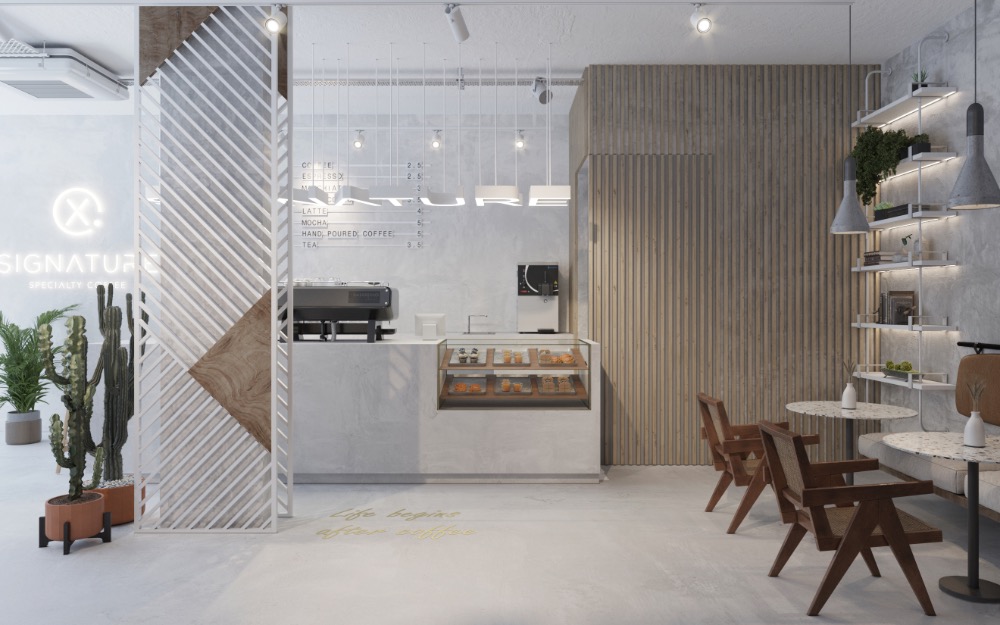
Texture refers to how smooth, coarse, rough, or fluid the pieces in the room look like. This is often an overlooked design element since it isn’t so obvious, but it makes a huge difference.
Creating harmony throughout the rooms of your home doesn’t mean you have to put the same pieces with the same texture throughout. Instead, put a mix of textures that complement each other.
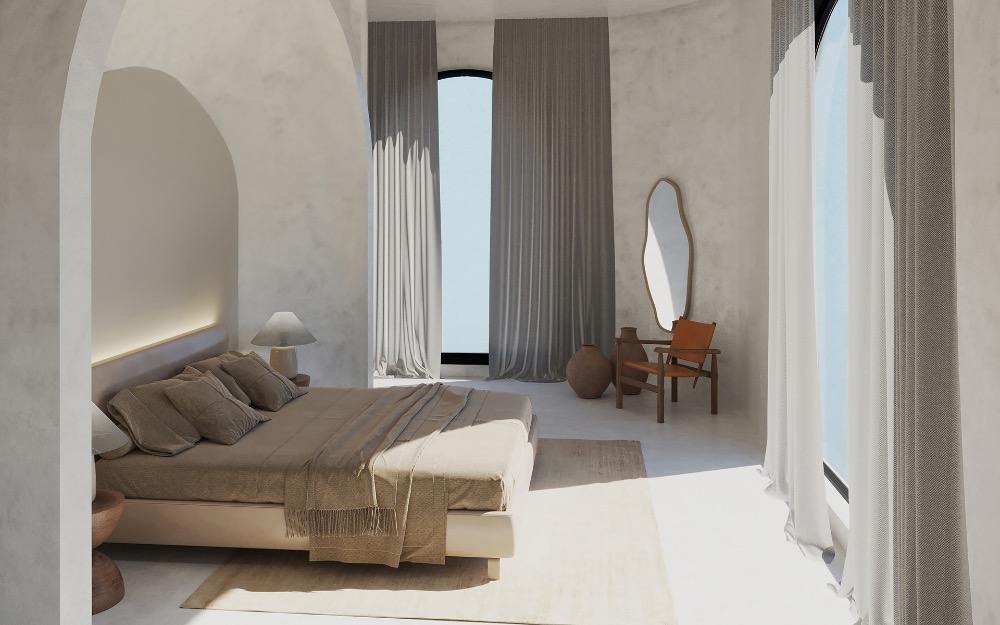
For example, you can put a bed frame with a smooth, matte finish that absorbs light in front of a mirror finish backboard to balance it out.
The general rule is that reflective surfaces make the piece and that part of the room look bigger while light-absorbing surfaces tend to make the piece and room look smaller.
Make sure to avoid using one type of texture throughout the whole room or house, as it creates monotony instead of harmony. Choose a mix of textures that balance each other out.
Color
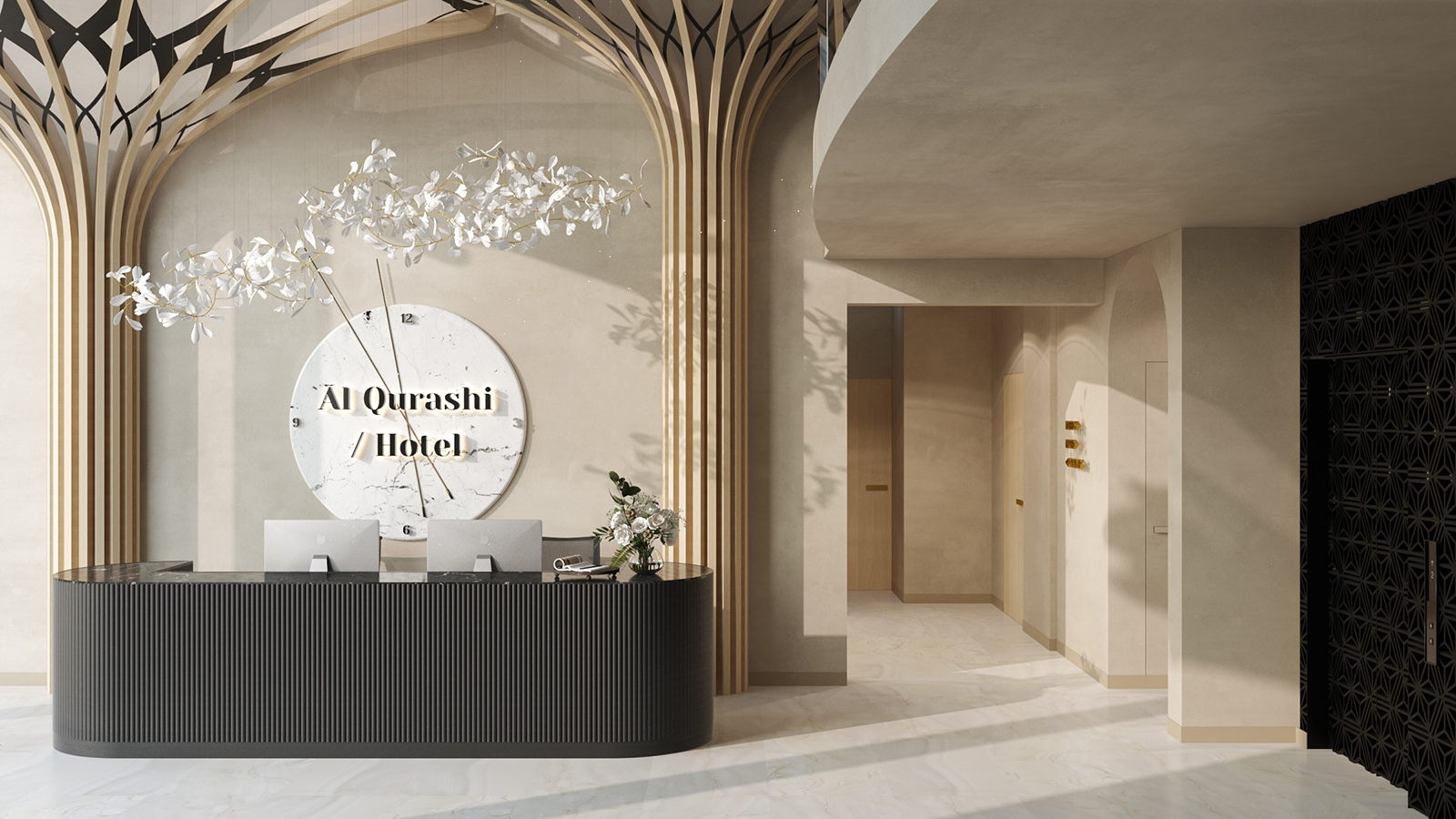
Color is a crucial part of visual harmony and balance in interior design, because it can make or break how a room looks. It can also determine how fluid a room feels compared to the rest of the house.
Color harmony isn’t what most people think of - that is, having one color or shades of only one color throughout the entire home. Again, this is monotony and not harmony.
What you want to do with colors is choose a palette of between 3-5 colors that complement each other. These should be used throughout the house to maintain harmony.
Follow the 60-30-10 rule when it comes to color selection. 60 percent of the room should be dedicated to the main color, 30 to a secondary, and 10 to a complementary color.
For example, most of the 60% color comes from the walls. Then, the 30% comes in through the major pieces of the room, contrasting with the walls.
Finally, the remaining 10% complementary color should accent well with both the primary and secondary colors to draw attention to pieces that normally get overlooked.
Form
Form refers to the shape and size of an element within the room. How a piece appears to a viewer is largely dependent on how angular, smooth, small, or large it is.
To create harmony and balance within your home, you must pick between a mix of geometric, abstract, and organic shapes. Each type serves its own purpose and evokes certain feelings.
Geometric shapes are very angular and symmetrical, like triangles, squares, circles, and polygons. Geometric pieces evoke a more formal and “proper” feeling.
Abstract shapes are more artistic in nature and are usually a lot smaller. However, they draw attention to themselves and the area directly around them, promoting curiosity.
Organic shapes are more rounded, with curved lines often found in nature. These shapes are more inviting, comfortable, and casual, which is good for a relaxed environment.
Emphasis
Emphasis is an element or a group of elements in a room that draws attention to itself. It’s a piece that the rest of the room is built around to complement.
To create harmony and balance, you need a focal point that draws attention with elements around it to complement. Having no focal point removes that balance and makes a room bland.
A great example of emphasis being used in a room is having a large dining table with an intricate design. This can be surrounded by minimalist walls and furniture to balance it out.
Emphasis can work in tandem with other concepts. Having one piece in the room with a striking color surrounded by complementary colors can also create harmony and balance.
The only thing to keep in mind with the emphasis concept is not to include too many focal points. This can end up confusing a viewer instead of drawing them to a single point.
Contrast
Contrast is similar to emphasis in that it uses juxtaposition to create positive and negative space. However, contrast chooses to disperse its focus evenly as opposed to a focal point.
Creating contrast in a room is important for harmony and balance because it allows a room to look more lively and energized while still remaining true to the overall concept of the home.
For example, you can use color to create contrast between the walls of the kitchen and the countertop. Having two distinct colors creates contrast and invites further investigation by a viewer.
Contrast is also a great way to add emphasis to a room that doesn’t have any large focal point. Going back to the kitchen example, your kitchen utensils and equipment can be the contrast.

You're reading the BUILD newsletter.

Get the inside scoop from Yaiza Martinez on all things hospitality and design.
Rhythm
This is the last concept in interior design that you will observe, as you’ll only see it once everything is put together. Rhythm refers to how the elements blend into the flow of the home.
Having a room with a smooth rhythm requires a blend of functionality and visual unity. Do all the elements blend well, or is the emphasis or contrast taking too much attention?
A great example of a room with a good rhythm is a well-designed living room/den. The chairs, table, and walls all have to complement each other and the main focus - the TV and speakers.
If the room has good rhythm, the chairs, table, and walls should direct viewers towards the TV and speakers—not themselves.
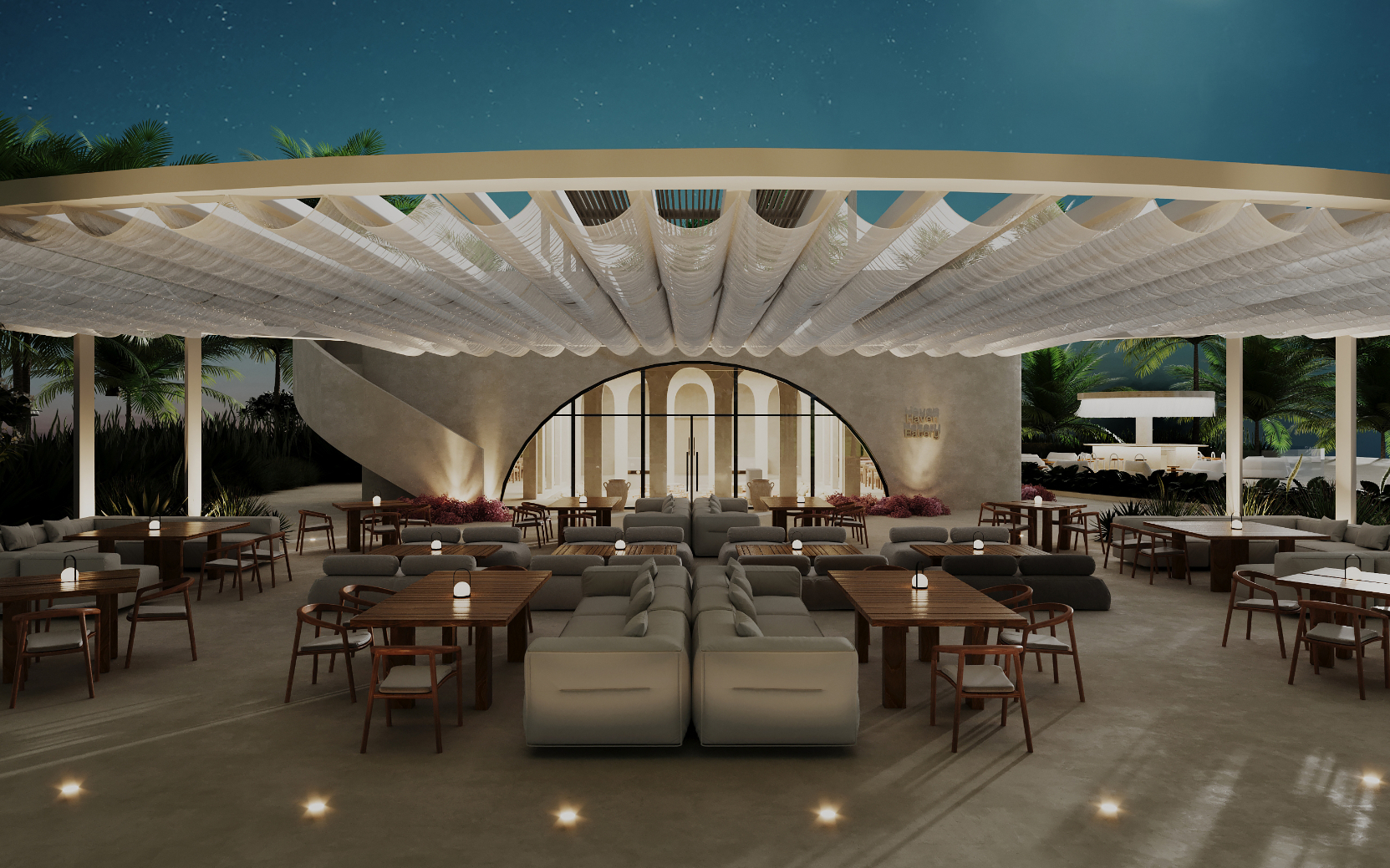
Rhythm can also refer to how each room flows into another and matches the design concept of the home. Each room shouldn’t be identical, but instead should complement each other well.
Differences Between Harmony, Unity, and Balance in Interior Design
Balance refers to the weight of objects and how they are distributed throughout the room. This weight can be anything from color, size, or texture.
Symmetrical balance aims to keep the room uniform visually while asymmetrical balance is more hinged on energy flow throughout the room rather than pure visuals.
Harmony refers to how all the elements of the room work together to either tell a story or convey a certain energy. This is usually done through using patterns or textures that are similar.
Unity is more focused on keeping everything all under one concept rather than how it all fits together. Unity wants to keep elements similar enough to keep a design language.
Conclusion
Creating rooms that have harmony and balance is crucial to making a home that feels cohesive and connected. Concepts like color, form, emphasis, contrast, texture, and rhythm all help achieve this goal.
While it may be tempting to make everything monochromatic and minimalistic (and there’s nothing wrong with that), you shouldn’t be confined to that design style just because.
The benefits you get from styling your room to a design that fits your preferences while still achieving harmony and balance are nearly infinite.
Share this Article


YAIZA MARTINEZ
Yaiza, founder of Tanic Design, is passionate about transforming hospitality spaces into immersive experiences that captivate guests and drive revenue growth. With a keen eye for detail and a deep understanding of brand strategy, she crafts bespoke designs that resonate with each hotel’s unique identity. She believes that every space should tell a story, making it memorable and inviting for guests. Her innovative approach not only enhances guest satisfaction but also boosts operational efficiency, ensuring long-term success for hospitality businesses. With years of expertise in hospitality consulting and design, she’s dedicated to helping hotels stand out in a competitive market, creating environments that guests love and return to time and time again.
Our Clients don’t just see results, they see record-breaking success.
Recent Content
ARTICLE
How to Make Interiors Your Best Marketing Tool
Learn how to turn your interior design into a powerful marketing tool that reflects your brand, enhances customer experience, and boosts organic social media engagement.

ARTICLE
Hotel Competitive Analysis: How to Stay Ahead in a Crowded Market
Your competitors are making moves. Are you keeping up? Learn how to spot opportunities, refine your strategy, and give guests a reason to choose you.

ARTICLE
The Rise of Tactile Design in Hospitality Spaces
Tactile design in hospitality creates immersive spaces by blending textures, materials, and lighting to enhance emotional connections and guest experiences.

Now that we’ve spent some time together. Lemme ask....
you are?
There’s never been a better time to unlock the full potential of your business. Whether you’re a hotel, restaurant, or coffee shop business, our plans are designed to cater to all your needs.

HOTEL
Blast through revenue ceilings and soar to new heights!
Want your hotel to be more than just a place to crash?
 DO IT
RESTAURANT
Swipe all my competitor's customers and dominate the market!
Ever imagined your restaurant as more than just a place to eat?
DO ITCOFFEE SHOP
Supercharge my brand and make it a smashing success!
Looking to brew up a storm with a standout coffee shop?
DO ITHOTEL
Blast through revenue ceilings and soar to new heights!
Want your hotel to be more than just a place to crash?
DO ITRESTAURANT
Swipe all my competitor's customers and dominate the market!
Ever imagined your restaurant as more than just a place to eat?
DO ITCOFFEE SHOP
Supercharge my brand and make it a smashing success!
Looking to brew up a storm with a standout coffee shop?
DO ITJoin 2k+ Founders & Makers
 Get our bi-weekly emails with insightful content on how to boost your hospitality business growth.
Join 2k+ Founders & Makers
 Get our bi-weekly emails with insightful content on how to boost your hospitality business growth.
See if TANIC DESIGN is right for you. (IT totally is.)
But hey, don’t just take our word for it-let’s find out together if Tanic Design is the missing piece to your business puzzle.
Hit the ButtonHold up, don’t go just yet!
Seems you need some more time to weight the options, and that’s totally cool. Why not we hand out together?


Copyright © 2024 All rights reserved.