




Creating the Perfect Mood Board: Your Guide to Visual Inspiration
What is a Mood Board?
Mood Board Definition
A mood board is a visual tool that compiles various elements such as images, text, colors, and textures to convey a particular concept or theme. It's used primarily in creative industries like interior design, fashion, and graphic design to help articulate the overall feel and direction of a project.
The Concept of Mood Boards
Mood boards serve as a tangible representation of ideas, allowing designers and clients to visualize and align on the aesthetic and mood of a project. They can be physical, involving cut-outs and physical materials, or digital, using software and online platforms to collate the visuals.
Main Takeaways
Key Characteristics of Mood Boards
- Visual Representation: Mood boards combine images, colors, textures, and words to depict a concept.
- Versatility: They are used across various creative fields including interior design, fashion, and marketing.
- Collaborative Tool: Mood boards facilitate communication between designers and clients, ensuring everyone is on the same page.
Significance of Mood Boards
Mood boards play a crucial role in the early stages of a project by providing a visual direction and ensuring that the design concept is clearly communicated. They help streamline the creative process, save time, and reduce the likelihood of misunderstandings.
Common Applications of Mood Boards
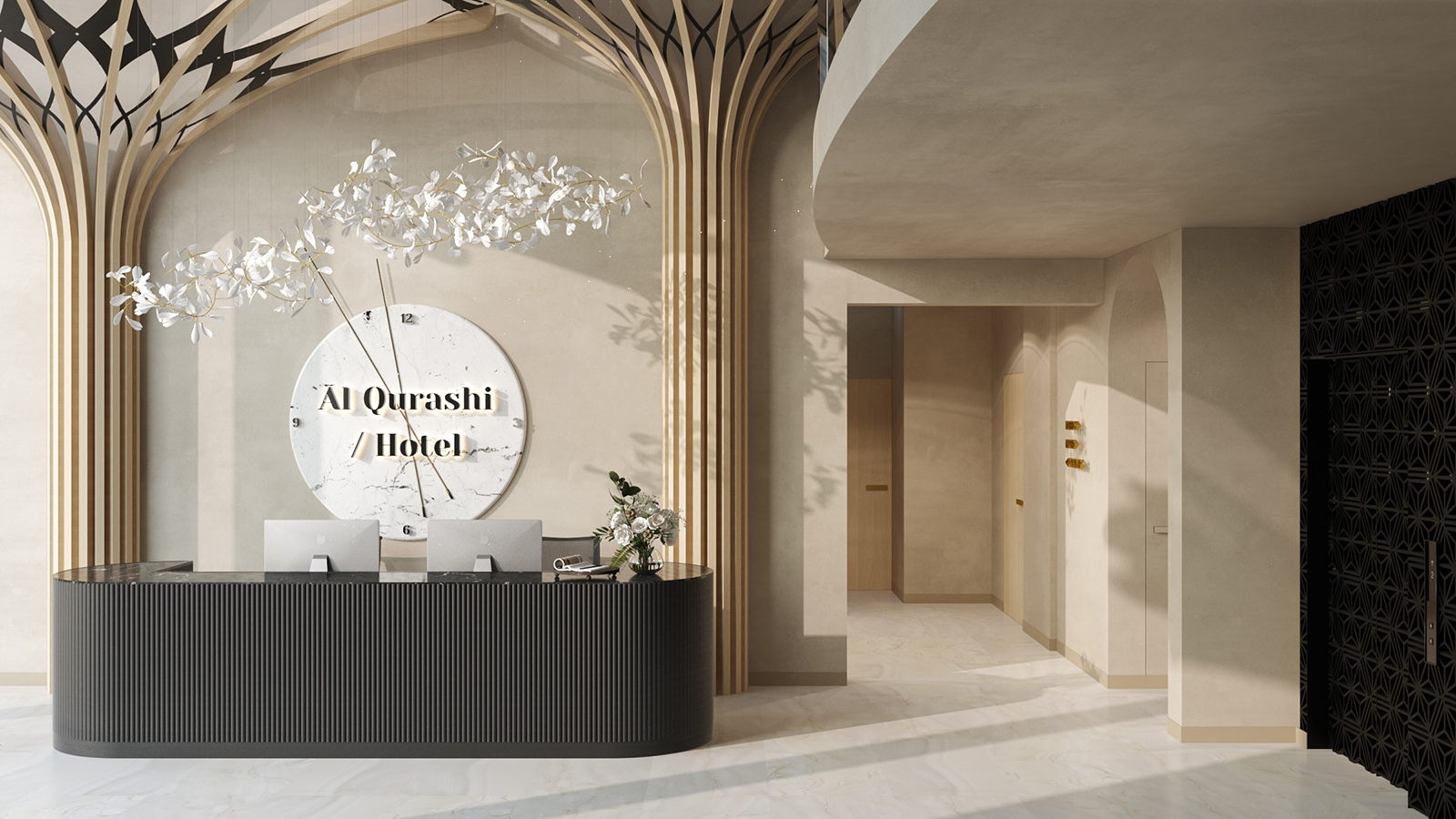
- Interior Design: Mood boards are used to plan the look and feel of spaces, combining elements like furniture, color schemes, and materials.
- Marketing: They help in developing brand aesthetics and visual strategies for campaigns.
- Fashion: Designers use mood boards to visualize collections and themes.
Why is a Mood Board Useful?
Mood boards simplify the creative process by offering a clear visual representation of ideas, making them invaluable tools for professionals. They enhance communication by bridging the gap between abstract concepts and tangible visuals, making it easier for clients to understand and approve designs. Additionally, mood boards save time by consolidating ideas early in the process, thus preventing revisions and rework. The very act of creating a mood board also stimulates creativity, often sparking new ideas and directions for a project.
Real-Life Examples of Mood Boards
- Interior Design Projects: Designers create mood boards to present clients with a cohesive vision for room makeovers, combining samples of paint, fabric swatches, and photos of furniture.
- Brand Campaigns: Marketing teams use mood boards to align on the visual direction for a campaign, incorporating imagery, typography, and color palettes that reflect the brand’s message.
How to Create a Mood Board
Steps to Create a Mood Board
- Gather Inspiration: Collect images, fabrics, colors, and other materials that inspire you.
- Define the Theme: Clearly articulate the theme or concept you want to convey.
- Arrange the Elements: Organize your materials in a way that visually represents the concept.
- Refine and Edit: Adjust and refine the board until it clearly communicates the desired mood.
Resources for Creating Mood Boards
- Magazines and Catalogs: For physical mood boards, magazines provide a wealth of images and textures.
- Online Platforms: Websites like Pinterest and Canva are excellent for creating digital mood boards.
Tools for Digital Mood Boards
- Pinterest: Ideal for collecting and organizing visual inspiration online.
- Canva: A versatile design tool that allows for easy creation of digital mood boards with various templates and design elements.
Difference Between Physical and Digital Mood Boards
Distinctions Between Physical and Digital Mood Boards
Physical mood boards involve tangible materials like magazine cut-outs, fabric swatches, and printed photos, creating a tactile experience. Digital mood boards, on the other hand, utilize software and online platforms to compile and organize visual elements, offering flexibility and easy sharing.
Unique Features and Usage Contexts
- Physical Mood Boards: Best for hands-on projects where texture and material play a significant role.
- Digital Mood Boards: Ideal for collaborative projects where ideas need to be shared and edited by multiple stakeholders.
Understanding the Use of Mood Boards
Real-World Applications of Mood Boards
Mood boards are widely used in the creative industry to streamline the design process and ensure cohesive visual communication. In interior design, mood boards help visualize the end result of a project, aligning clients and designers on the concept. Marketing teams use mood boards to establish a consistent visual language for campaigns, ensuring that all elements align with the brand's message.
Case Studies of Mood Boards in Interior Design
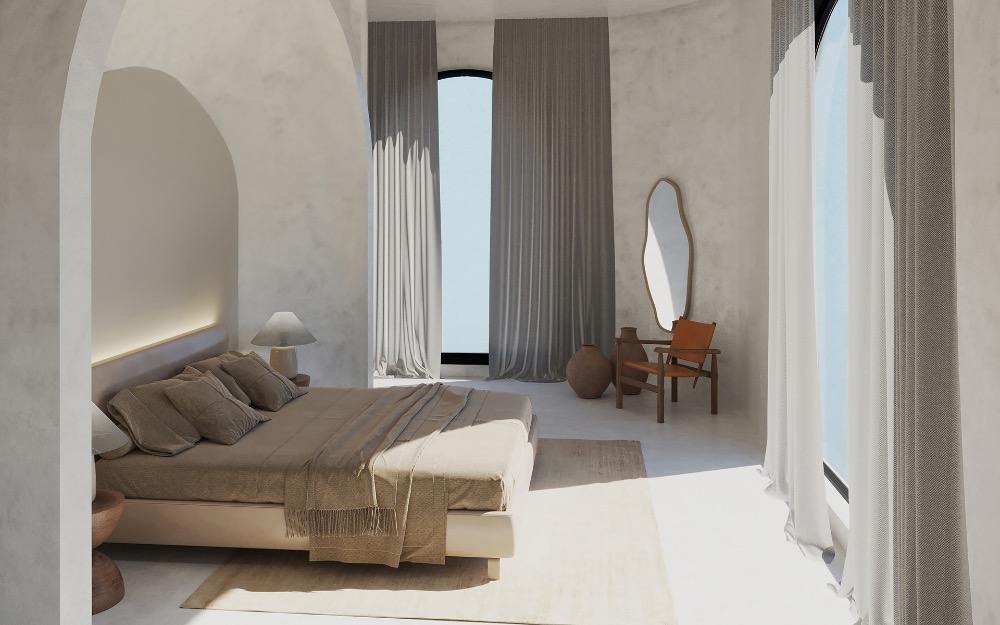
- Residential Projects: Designers create mood boards to showcase a cohesive design concept for homeowners, combining elements like wall colors, furniture, and décor items to illustrate the final look.
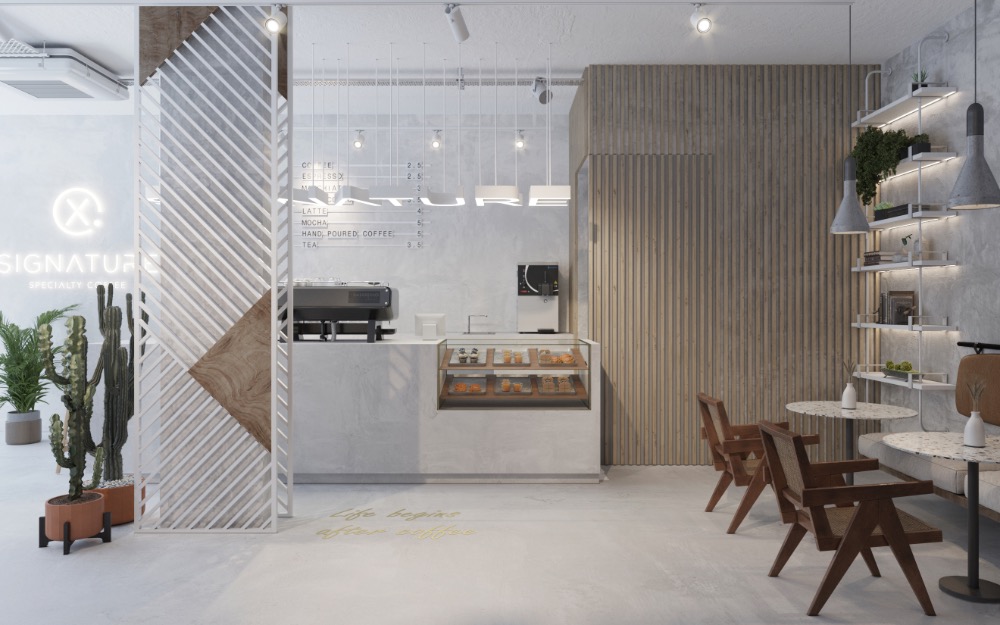
- Commercial Spaces: For office or retail spaces, mood boards help visualize the brand identity through interior design, ensuring that the space reflects the company’s ethos and style.
Conclusion
The Importance of Mastering Mood Boards
Mastering the use of mood boards is essential for anyone in the creative field. They not only help in visualizing and communicating ideas but also in making the creative process more efficient and collaborative.
Dive Deeper into Mood Boards
If you're looking to elevate your design projects, take the time to explore more about mood boards. Experiment with different materials, tools, and techniques to find what works best for you. The more you practice, the better you'll get at creating mood boards that truly capture and communicate your vision.


Copyright © 2024 All rights reserved.